
As roof replacement insurance coverage becomes increasingly crucial for homeowners, this guide aims to provide valuable insights and practical tips in navigating the complexities of insurance policies. From understanding the basics to maximizing coverage, this comprehensive overview will equip you with the knowledge needed to make informed decisions regarding your roof replacement insurance.
Understanding Roof Replacement Insurance Coverage
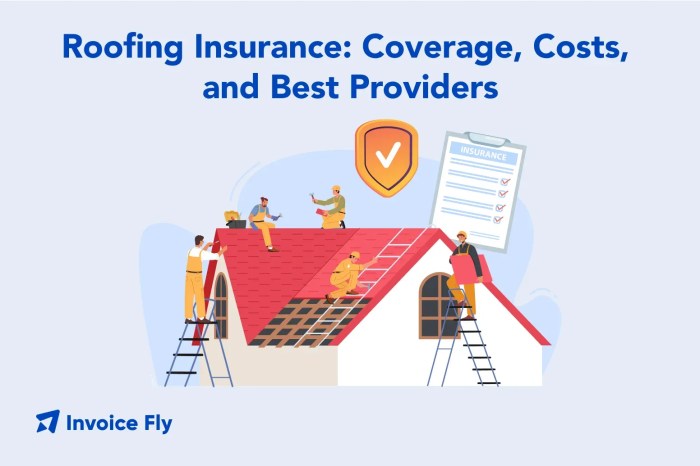
Roof replacement insurance coverage is a type of insurance policy that specifically covers the cost of replacing a damaged or deteriorated roof on a property. This coverage can help homeowners avoid significant financial burden when faced with unexpected roof repairs or replacements.
Importance of Having Insurance Coverage for Roof Replacement
Having insurance coverage for roof replacement is crucial as it provides financial protection in case of damage caused by natural disasters, accidents, or wear and tear over time. Without insurance coverage, homeowners may have to bear the full cost of roof replacement, which can be expensive and burdensome.
- Insurance policies that cover roof replacement typically include coverage for damage caused by events such as hailstorms, windstorms, fires, and falling objects. These policies help homeowners restore their roofs without having to deplete their savings.
- Insurance coverage for roof replacement can also include liability protection in case someone is injured on the property due to a roof-related issue. This coverage can help homeowners avoid costly legal expenses.
Types of Insurance Policies that Cover Roof Replacement
Insurance policies that cover roof replacement can vary depending on the insurance provider and the specific terms of the policy. Some common types of insurance policies that offer roof replacement coverage include homeowners insurance, property insurance, and specialized roof insurance policies.
- Homeowners insurance typically covers roof damage caused by events like storms, fires, and vandalism. This coverage may help pay for repairs or replacement of the roof up to the policy limits.
- Property insurance policies may also include coverage for roof replacement in case of damage from covered perils. It's important to review the policy details to understand the extent of coverage provided.
Scenarios Where Roof Replacement Insurance Coverage Would be Beneficial
Having roof replacement insurance coverage can be beneficial in various scenarios, such as:
- After a severe storm damages the roof, requiring extensive repairs or replacement.
- In the event of a fire that causes significant damage to the roof, necessitating a full replacement.
- If the roof deteriorates over time due to age or wear and tear, needing a new roof to ensure the safety and integrity of the property.
Factors Influencing Roof Replacement Insurance Coverage
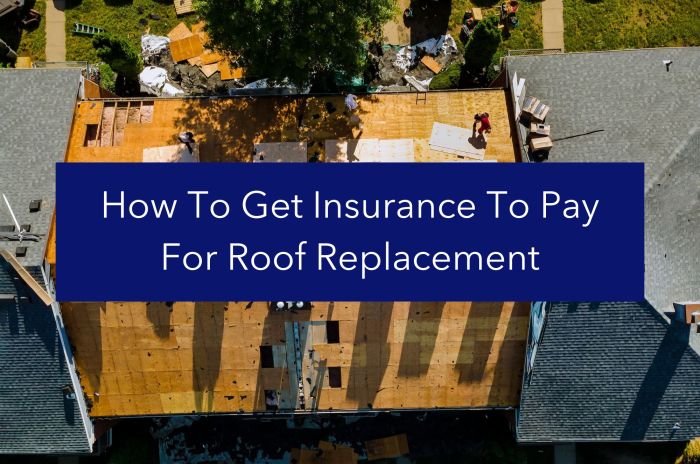
When it comes to roof replacement insurance coverage, there are several key factors that insurance companies take into consideration before offering a policy. These factors can vary from the age and condition of the roof to the location and climate of the property.
Understanding these factors can help homeowners make informed decisions when choosing insurance coverage for their roof.
Roof Age and Condition
The age and condition of a roof play a significant role in determining insurance coverage for roof replacement. Insurance companies typically consider older roofs or roofs in poor condition to be at a higher risk of damage, which can result in higher premiums or limited coverage options.
Regular maintenance and inspections can help prolong the life of a roof and improve insurance coverage options.
Location and Climate
The location and climate of a property can also impact insurance coverage for roof replacement. Properties in areas prone to severe weather conditions such as hurricanes, tornadoes, or heavy snowfall may require additional coverage or higher premiums to protect against potential damage.
Insurance companies take into account the specific risks associated with the location and climate of a property when determining coverage options.
Basic vs. Comprehensive Policies
Insurance coverage for roof replacement can vary between basic policies and comprehensive policies. Basic policies typically offer limited coverage for specific perils, while comprehensive policies provide broader coverage for a wider range of risks. Homeowners should carefully review their policy options to ensure they have the appropriate coverage for their roof replacement needs.
It is important to understand the differences between basic and comprehensive policies to make an informed decision when selecting insurance coverage.
Claim Process for Roof Replacement Insurance Coverage
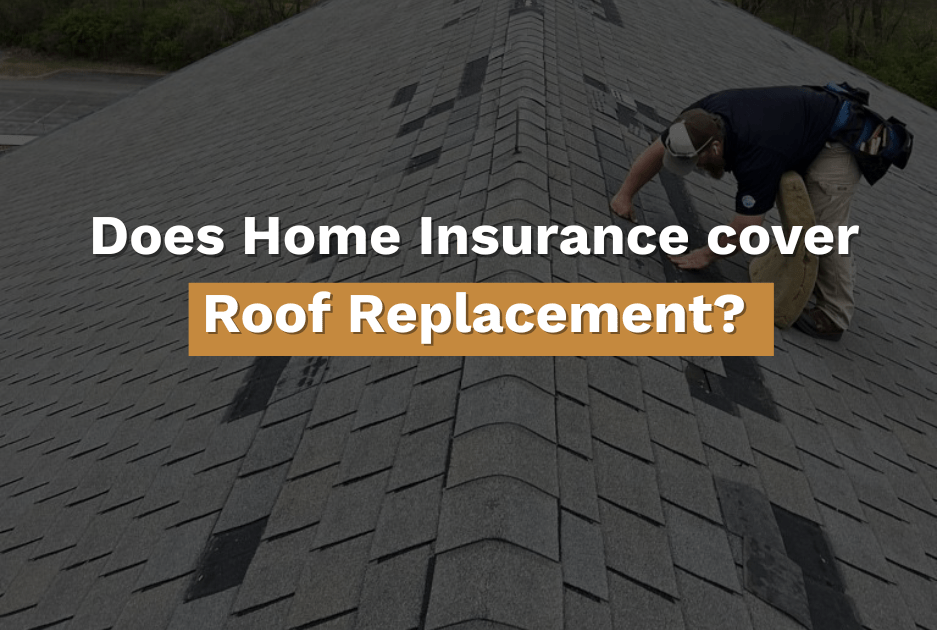
When it comes to filing a claim for roof replacement with insurance, there are several steps involved in the process. Understanding what documentation is required, how insurance adjusters assess the damage, and tips for homeowners can streamline the claim process and ensure a smoother experience.
Documentation Required for Roof Replacement Insurance Claim
- Proof of ownership of the property where the roof is located.
- Photos or videos of the damaged roof to support the claim.
- Estimates from licensed roofing contractors detailing the cost of replacement.
- Any relevant maintenance records or inspection reports for the roof.
Assessment by Insurance Adjusters
- Insurance adjusters will visit the property to assess the extent of the damage to the roof.
- They will review the documentation provided and may conduct their own investigation to determine the cause of the damage.
- Adjusters will then calculate the coverage amount based on the policy terms and the estimated cost of replacement.
Tips for Homeowners
- Report the damage to your insurance company as soon as possible to initiate the claim process.
- Keep detailed records of all communication with the insurance company and adjusters.
- Work with reputable roofing contractors to obtain accurate estimates for the replacement cost.
- Stay informed about your policy coverage and ask questions if anything is unclear.
Maximizing Roof Replacement Insurance Coverage
When it comes to maximizing your insurance coverage for roof replacement, there are several strategies that homeowners can implement to ensure they receive adequate protection for their property. Regular roof maintenance plays a crucial role in maintaining insurance coverage, while additional coverage riders or endorsements can provide enhanced protection.
Negotiating with insurance companies can also help secure better coverage for roof replacement.
Importance of Regular Roof Maintenance
Regular roof maintenance is essential for maximizing insurance coverage for roof replacement. By keeping your roof in good condition through routine inspections, repairs, and upkeep, you can reduce the risk of damage and potential insurance claims. Insurance companies often require proof of regular maintenance to ensure that your roof is well-maintained and less prone to issues.
Additional Coverage Riders or Endorsements
One way to enhance your roof replacement protection is to consider adding additional coverage riders or endorsements to your insurance policy. These can provide extra coverage for specific risks or events that may not be fully covered by your standard policy.
Examples include coverage for windstorm damage, hail damage, or roof leaks. By discussing these options with your insurance provider, you can tailor your coverage to better suit your needs.
Negotiating with Insurance Companies
Negotiating with insurance companies can be a valuable strategy for securing better coverage for roof replacement. It is important to provide detailed information about your roof's condition, maintenance history, and any upgrades or improvements you have made. By demonstrating the value of your roof and the steps you have taken to protect it, you may be able to negotiate for additional coverage or better terms.
Working with a reputable roofing contractor can also help strengthen your case and provide expert insights during the negotiation process.
Conclusive Thoughts
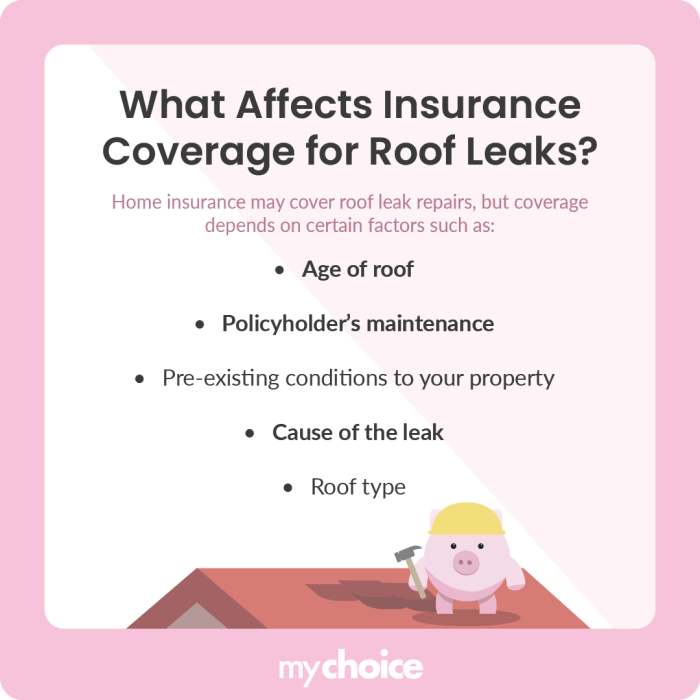
In conclusion, securing adequate insurance coverage for roof replacement involves a strategic approach that considers various factors. By implementing the suggestions Artikeld in this guide, homeowners can ensure they are well-prepared to handle any roof replacement scenarios that may arise.
Stay informed, stay protected.
FAQ Explained
What does roof replacement insurance coverage entail?
Roof replacement insurance coverage typically includes protection for repair or replacement of your roof in case of damage from covered perils like storms or vandalism.
How can homeowners maximize their insurance coverage for roof replacement?
Homeowners can maximize their coverage by ensuring regular roof maintenance, exploring additional coverage options, and negotiating effectively with insurance companies.
What types of insurance policies cover roof replacement?
Typical types of insurance policies that cover roof replacement include homeowners insurance and dwelling insurance.
How do insurance adjusters assess damage for roof replacement claims?
Insurance adjusters evaluate the extent of damage, consider the age and condition of the roof, and review policy details to determine coverage for roof replacement.