
Embark on a journey through the world of preventive roof maintenance services, where the key to a long-lasting roof lies in regular upkeep and care. Discover the importance of proactive maintenance, the components that play a vital role, and how timely checks can save you from costly repairs.
Importance of Preventive Roof Maintenance Services

Preventive roof maintenance plays a crucial role in ensuring the longevity and durability of a roof. By regularly inspecting and maintaining the roof, potential issues can be identified and addressed before they escalate into major problems.
Benefits of Regular Roof Maintenance
- Prevents Costly Repairs: Regular maintenance helps in identifying small issues such as leaks, cracks, or missing shingles early on, preventing them from turning into expensive repairs down the line.
- Enhances Lifespan: By addressing minor problems promptly, preventive maintenance can significantly extend the lifespan of a roof, saving homeowners from the hassle and cost of premature replacements.
- Preserves Structural Integrity: Maintaining the roof in good condition ensures that the overall structural integrity of the building is not compromised, protecting it from potential water damage and other hazards.
Examples of Extending Roof Lifespan
Regularly cleaning gutters, inspecting for damage after severe weather events, and addressing any issues promptly are all examples of preventive maintenance measures that can help extend the lifespan of a roof. By investing in routine maintenance, homeowners can ensure that their roof remains in top condition for years to come.
Components of Preventive Roof Maintenance
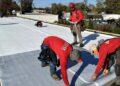
Preventive roof maintenance services typically include several key components that are crucial in ensuring the longevity and health of your roof. Each component plays a vital role in maintaining a strong and durable roof structure, protecting your property from damage and costly repairs in the long run.
Regular Inspections
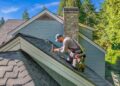
Regular inspections are essential in identifying any potential issues with your roof before they escalate into major problems. By conducting thorough inspections, professionals can spot leaks, cracks, or other damage early on, allowing for prompt repairs and preventing further deterioration of the roof.
Gutter Cleaning
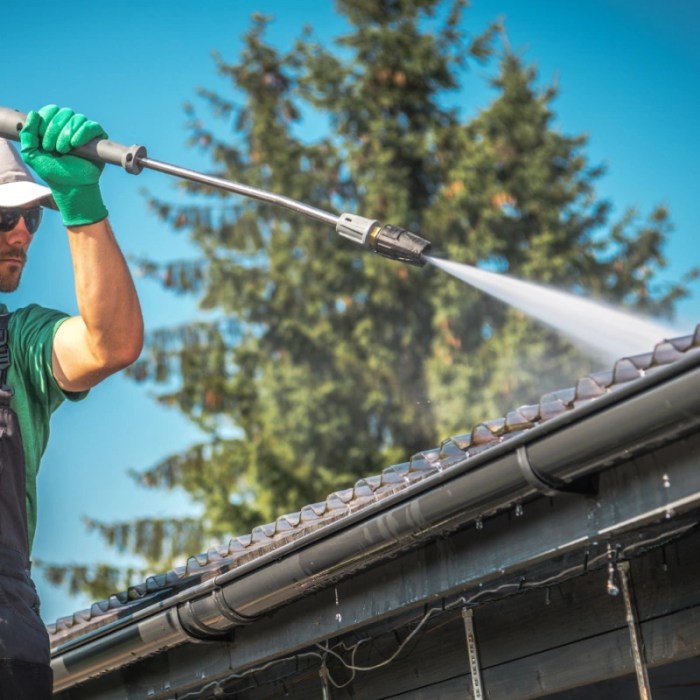
Gutter cleaning is an important component of preventive roof maintenance as clogged gutters can lead to water damage, leaks, and even structural issues. By ensuring that gutters are clean and free of debris, water can flow freely away from the roof, preventing water buildup and potential damage.
Roof Repairs
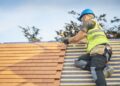
Prompt roof repairs are crucial in addressing any issues that are identified during inspections. Whether it's replacing missing shingles, fixing leaks, or repairing damaged flashing, timely repairs help maintain the integrity of the roof structure and prevent more extensive damage.
Trimming Overhanging Branches
Trimming overhanging branches near the roof is important to prevent damage from falling branches, debris, or pests. Overhanging branches can also rub against the roof surface, causing wear and tear over time. By keeping trees trimmed back, you can protect your roof from unnecessary damage.
Sealing and Coating
Sealing and coating the roof surface can help protect it from the elements, UV rays, and moisture. This preventive measure can extend the lifespan of your roof, improve its energy efficiency, and reduce the risk of leaks and water damage.
Ventilation Maintenance
Proper ventilation is essential for regulating temperature and moisture levels in the attic space, preventing issues such as mold growth, ice dams, and premature roof deterioration. Maintaining ventilation systems ensures optimal airflow and helps prolong the life of your roof.
Frequency and Timing of Maintenance Checks
Regular preventive maintenance checks are essential to ensure the longevity and functionality of your roof. It is recommended to conduct these checks at least twice a year to address any potential issues before they escalate into costly repairs.
Frequency of Maintenance Checks
- Bi-annual inspections are ideal to catch any early signs of damage or wear and tear.
- Consider scheduling maintenance checks in the spring and fall to coincide with milder weather conditions.
- For commercial buildings or properties in extreme weather conditions, quarterly inspections may be necessary.
Best Timing for Maintenance Checks
- Spring and fall are optimal times for maintenance checks as they offer moderate temperatures and less extreme weather conditions.
- Avoid scheduling inspections during the winter months when snow and ice can pose safety hazards for workers.
- Summer can also be a good time for maintenance checks to address any issues before the harsh winter weather sets in.
Impact of Seasonal Changes
- Seasonal changes can affect the timing of roof maintenance services as extreme weather conditions can accelerate wear and tear.
- Heavy snowfall in winter or intense heat in summer can cause damage to roofing materials, making regular maintenance checks crucial.
- Adjust the frequency and timing of maintenance checks based on the specific climate and weather patterns in your region.
Common Issues Addressed in Preventive Maintenance
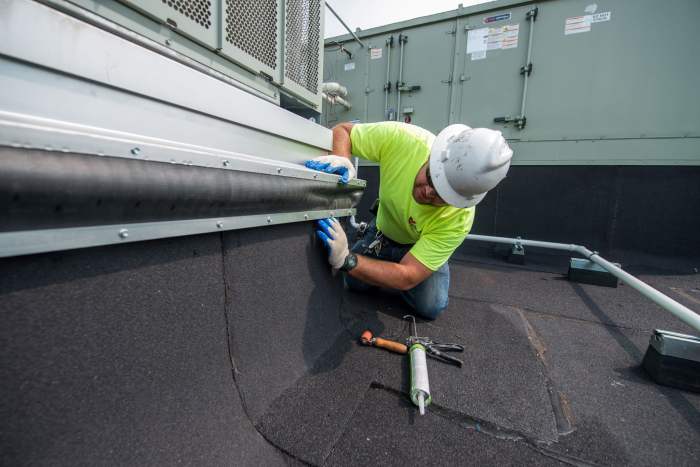
Preventive roof maintenance services typically address a range of common roofing issues that, if left unchecked, can lead to more significant problems down the line. By identifying and addressing these issues early on, property owners can prevent costly damages and extend the lifespan of their roof.
Roof Leaks
- Roof leaks are one of the most common issues addressed during preventive maintenance checks.
- Early detection of roof leaks can prevent water damage to the interior of the building, including ceilings, walls, and electrical systems.
- Preventive maintenance can include regular inspection of roof flashing, seals, and shingles to identify and repair potential leak points.
Ponding Water
- Ponding water occurs when water collects on the roof surface and does not drain properly.
- If left unaddressed, ponding water can lead to structural damage, leaks, and mold growth.
- Preventive maintenance involves ensuring proper drainage systems are in place to prevent ponding water and conducting regular inspections to identify and address any drainage issues.
Roof Aging and Wear
- Over time, roofs naturally age and wear due to exposure to the elements.
- Preventive maintenance can help identify signs of aging, such as cracks, blistering, or curling shingles, and address them before they lead to more extensive damage.
- Regular maintenance tasks like cleaning gutters, removing debris, and replacing damaged shingles can help mitigate potential roof damage from aging and wear.
Conclusion
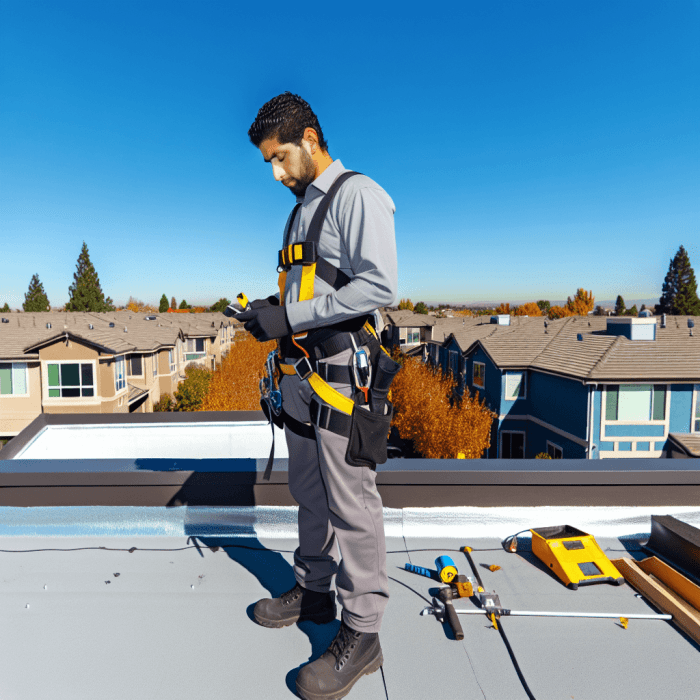
In conclusion, preventive roof maintenance services are the cornerstone of preserving the integrity of your roof and avoiding major issues down the line. By staying proactive and consistent in your maintenance efforts, you can ensure a sturdy and durable roof for years to come.
FAQ Insights
How often should I schedule preventive roof maintenance checks?
It is recommended to conduct preventive maintenance checks at least twice a year, ideally in the spring and fall.
What are some common roofing issues that preventive maintenance can address?
Common issues include loose or damaged shingles, clogged gutters, and signs of water damage. Early detection can help prevent more extensive problems.
How can seasonal changes impact the timing of roof maintenance services?
Seasonal changes, such as heavy snowfall or intense heat, can affect the condition of your roof and may require more frequent maintenance checks to address specific issues.