
Exploring the world of roof insurance estimate services opens up a realm of vital information and considerations for homeowners. From understanding the significance of these estimates to navigating the process of choosing a service provider, this topic delves into key aspects that can impact your insurance coverage and financial well-being.
Let's embark on a journey to unravel the intricacies of roof insurance estimates.
Overview of Roof Insurance Estimate Services
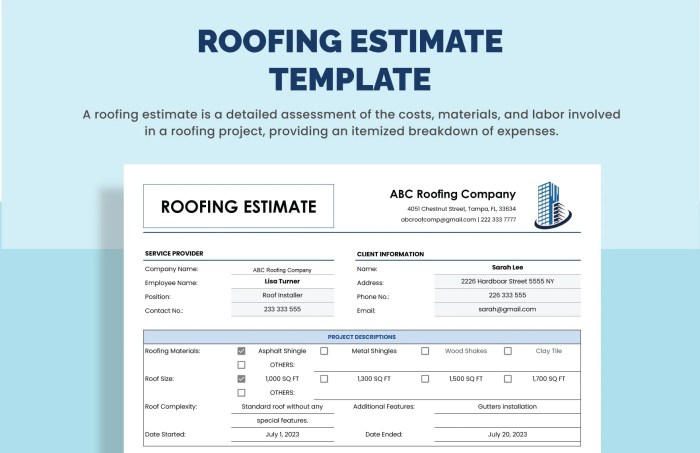
Roof insurance estimates are crucial for homeowners to understand the potential costs involved in repairing or replacing their roof in case of damage. By obtaining accurate estimates, homeowners can plan and budget effectively for any necessary repairs.
Importance of Getting Roof Insurance Estimates
Obtaining roof insurance estimates allows homeowners to assess the financial impact of any roof damage and ensure they are adequately covered by their insurance policy. It helps in making informed decisions and avoiding unexpected expenses.
Process of Obtaining Roof Insurance Estimates
The process of obtaining roof insurance estimates typically involves contacting a reputable roofing contractor or insurance adjuster to assess the damage. They will provide a detailed estimate outlining the scope of work required and the associated costs.
Examples of Situations Where Roof Insurance Estimates are Necessary
- After a severe storm or natural disaster
- Leaking or water damage in the attic
- Signs of mold or mildew due to roof issues
- Age-related wear and tear on the roof
Types of Roof Insurance Estimates
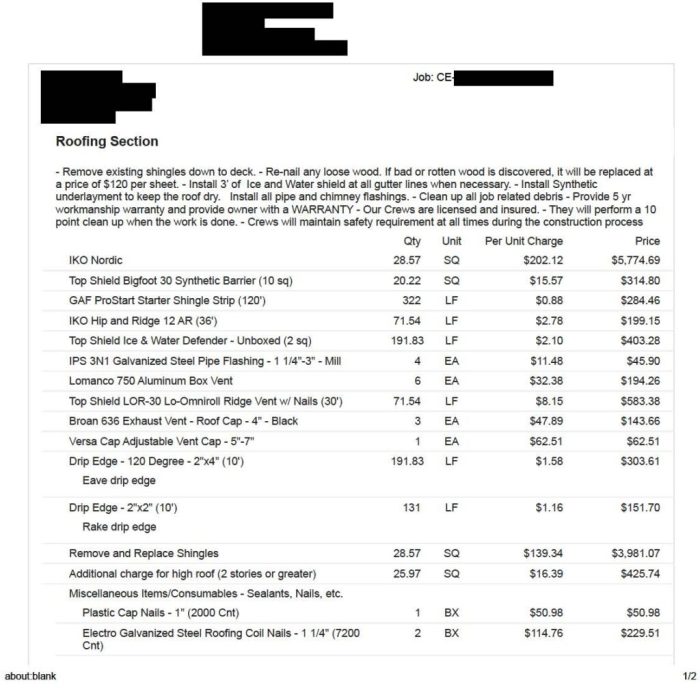
When it comes to roof insurance estimates, there are two main types that insurance companies use to determine the coverage you will receive in case of damage: Replacement Cost Value (RCV) and Actual Cash Value (ACV).
Replacement Cost Value (RCV)
Replacement Cost Value (RCV) is the estimated cost to repair or replace your roof with materials of similar kind and quality, without deducting for depreciation. This type of estimate provides coverage for the full cost of repairing or replacing your roof.
Actual Cash Value (ACV)
Actual Cash Value (ACV) takes depreciation into account when calculating the cost to repair or replace your roof. This means that the insurance company will consider the age, condition, and overall value of your roof at the time it was damaged.
As a result, the payout you receive may be less than the total cost of repair or replacement.Factors that Influence the Cost of Roof Insurance Estimates:
- The age and condition of your roof
- The materials used in your roof
- The size and complexity of your roof
- The location of your property
- The deductible and coverage limits of your policy
- The cause of damage (e.g., storm, fire, vandalism)
Choosing a Roof Insurance Estimate Service Provider
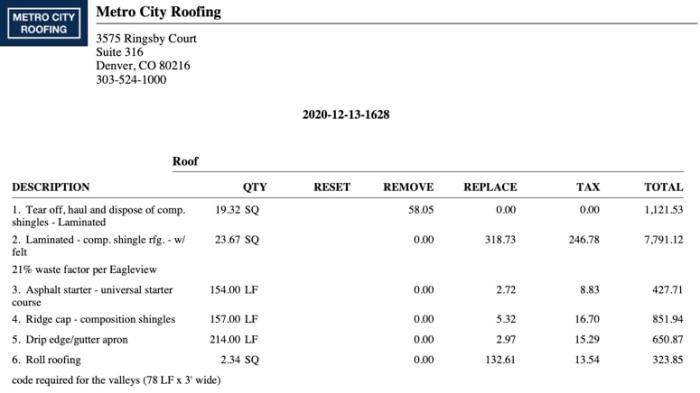
When selecting a roof insurance estimate service provider, there are several key factors to consider to ensure you are getting the best service possible. It is crucial to compare and contrast different providers based on their expertise, reputation, and reliability in delivering accurate estimates.
Verifying the credentials and experience of service providers is also essential to guarantee that you are working with professionals who understand the intricacies of roof insurance estimates.
Expertise and Experience
It is important to choose a roof insurance estimate service provider that has a proven track record of expertise and experience in the industry. Look for providers who have been in business for a significant amount of time and have a portfolio of successful projects.
Additionally, consider the qualifications and certifications of the professionals who will be conducting the estimates to ensure they have the necessary skills and knowledge to accurately assess your roof.
Reputation and Reviews
Before selecting a roof insurance estimate service provider, take the time to research their reputation and read reviews from previous clients. A reputable provider will have positive feedback and testimonials from satisfied customers, indicating their reliability and commitment to quality service.
Avoid providers with a history of negative reviews or complaints, as this may be a red flag for potential issues with the accuracy of their estimates
Credentials and Licensing
Verifying the credentials and licensing of a roof insurance estimate service provider is crucial to ensure that they are qualified to perform the necessary assessments. Check if the provider is properly licensed and accredited by relevant industry organizations. This will give you peace of mind knowing that you are working with a legitimate and trustworthy company that adheres to industry standards and regulations.
Technology and Tools
Consider the technology and tools used by the roof insurance estimate service provider to assess the condition of your roof. Providers that utilize advanced tools and software for accurate measurements and assessments are more likely to deliver precise and reliable estimates.
Ask about the methods and equipment they use to ensure that you are getting the most accurate assessment of your roof's condition.
Understanding the Coverage in Roof Insurance Estimates
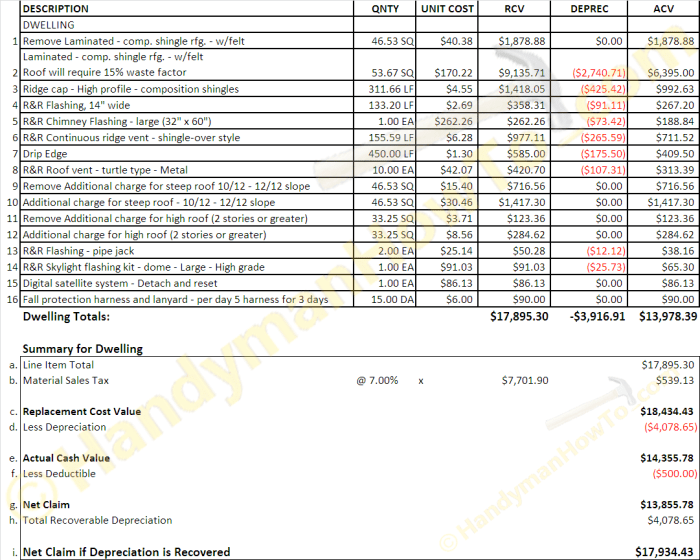
When it comes to roof insurance estimates, it is essential to understand the coverage options included, as well as any exclusions or limitations that may apply. This knowledge can help ensure that you have adequate coverage in case of any damage or issues with your roof.
Coverage Options in Roof Insurance Estimates
Roof insurance estimates typically include coverage for the following:
- Damage from natural disasters such as storms, hurricanes, or tornadoes.
- Water damage caused by leaks or flooding.
- Damage from falling debris or trees.
- Fire damage to the roof.
- Vandalism or theft-related damage.
Exclusions or Limitations in Roof Insurance Coverage
While roof insurance estimates provide coverage for various scenarios, there are some common exclusions or limitations to be aware of:
- Normal wear and tear of the roof.
- Damage resulting from lack of maintenance or neglect.
- Cosmetic damage that does not impact the roof's functionality.
- Damage caused by pests or rodents.
Tips for Ensuring Adequate Coverage
To ensure you have sufficient coverage in your roof insurance estimate, consider the following tips:
- Review your policy in detail to understand what is covered and any exclusions.
- Work with a reputable and experienced insurance provider who can guide you through the coverage options.
- Consider additional coverage options for specific risks that may not be included in your standard policy.
- Maintain regular inspections and maintenance of your roof to prevent issues that may not be covered by insurance.
Last Word
As we conclude our exploration of roof insurance estimate services, it becomes clear that being informed and proactive in this area can make a significant difference in safeguarding your property. By grasping the nuances of coverage options, selecting a reliable service provider, and ensuring adequate protection, you can face unforeseen circumstances with confidence and peace of mind.
Answers to Common Questions
What factors influence the cost of roof insurance estimates?
The cost of roof insurance estimates can be influenced by various factors such as the size and type of the roof, its age, the materials used, and the location of the property.
How do insurance companies calculate roof insurance estimates?
Insurance companies typically calculate roof insurance estimates based on the replacement cost value (RCV) or actual cash value (ACV) of the roof, taking into account depreciation and other relevant factors.
What are common exclusions in roof insurance coverage?
Common exclusions in roof insurance coverage may include wear and tear, lack of maintenance, and certain types of damage not covered by the policy.
How can I ensure adequate coverage in roof insurance estimates?
To ensure adequate coverage in roof insurance estimates, it is advisable to review your policy regularly, understand the coverage options, and consult with your insurance provider to address any gaps in protection.