

As industrial roofing installation cost takes center stage, this opening passage beckons readers into a world crafted with good knowledge, ensuring a reading experience that is both absorbing and distinctly original.
Industrial roofing installation cost can vary based on several factors like size, materials, and labor. Understanding these nuances is crucial for making informed decisions.
Factors Affecting Industrial Roofing Installation Cost
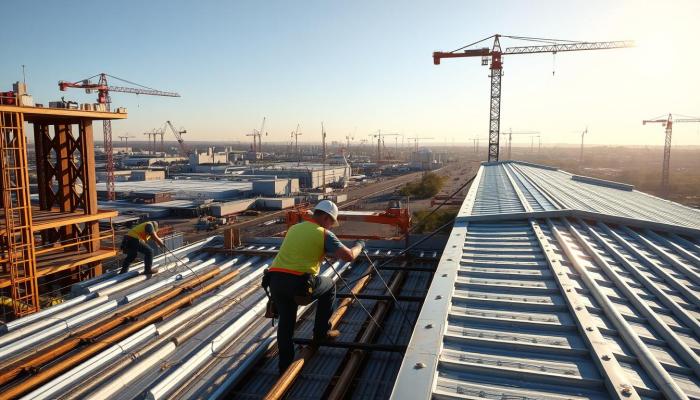
When it comes to determining the cost of industrial roofing installation, several key factors come into play that can significantly impact the overall price.
Size and Complexity of the Roof
The size and complexity of the industrial roof play a crucial role in determining the installation cost. Larger roofs or those with intricate designs and features will require more materials and labor, resulting in higher overall costs.
Materials Used
The choice of materials for the industrial roof, such as metal, rubber, or asphalt, can also affect the installation cost. High-quality materials may come at a higher price, but they often offer greater durability and longevity, potentially reducing long-term maintenance costs.
Location and Accessibility
The location of the industrial building and its accessibility can impact the installation cost. Roofs in remote or difficult-to-reach areas may require additional equipment or labor, leading to increased expenses. Additionally, factors like local building codes and regulations can also influence costs.
Comparison of Different Roofing Material Costs

Metal, rubber, and asphalt are three common roofing materials used in industrial settings, each with its own costs and benefits. Let's compare the cost, longevity, maintenance, and environmental impact of each material.
Metal Roofing
Metal roofing is known for its durability and longevity, lasting up to 50 years or more with proper maintenance. While the initial cost of metal roofing is higher compared to asphalt and rubber, it requires minimal maintenance over its lifespan, reducing long-term costs.
Metal roofing is also recyclable, making it an environmentally friendly option.
Rubber Roofing
Rubber roofing, typically made from EPDM (ethylene propylene diene terpolymer), is a cost-effective option with a moderate lifespan of around 30-50 years. Although the initial cost of rubber roofing is lower than metal, it may require more frequent maintenance and repairs, impacting long-term costs.
Rubber roofing is also energy-efficient, providing insulation and reducing heating and cooling costs.
Asphalt Roofing
Asphalt roofing is the most affordable option upfront but has a shorter lifespan of around 20-30 years. While asphalt roofing may require more frequent maintenance and replacement compared to metal and rubber, it is a popular choice for its cost-effectiveness.
However, asphalt shingles are not as environmentally friendly as metal or rubber roofing materials.
Labor Costs and Installation Techniques
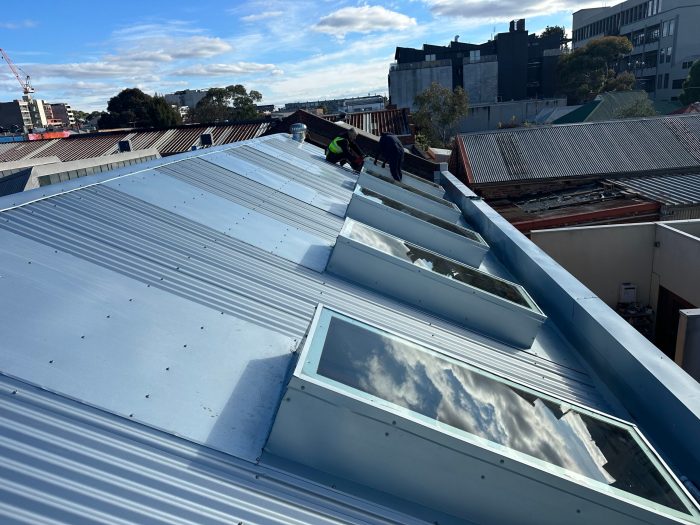
Labor costs play a significant role in determining the overall expense of industrial roofing installation. These costs are calculated based on various factors, including the size of the project, the complexity of the design, and the type of roofing material being used.
It is essential to consider skilled labor and safety measures when estimating labor costs to ensure a high-quality installation.
Calculating Labor Costs
- Labor costs are typically calculated based on the number of hours worked by each worker on the project.
- The hourly rate of laborers, roofers, and other skilled workers involved in the installation process is also factored into the overall labor costs.
- Additional expenses such as insurance, training, and benefits for workers should be considered when estimating labor costs.
Installation Techniques and Cost Impact
- The choice of installation technique, such as single-ply membrane or built-up roofing, can significantly impact labor costs.
- Single-ply membrane roofing systems are typically faster to install compared to built-up roofing, which can result in lower labor costs.
- However, built-up roofing may require more skilled labor and expertise, leading to higher labor costs but potentially better durability and longevity.
Skilled Labor and Safety Measures
- Skilled labor is crucial for ensuring the proper installation of industrial roofing systems, which can impact the overall cost of the project.
- Investing in skilled laborers who have experience working with specific roofing materials and techniques can result in a more efficient and high-quality installation.
- Implementing safety measures on the job site can also affect labor costs, as proper safety protocols may require additional time and resources.
Additional Costs and Budgeting Considerations
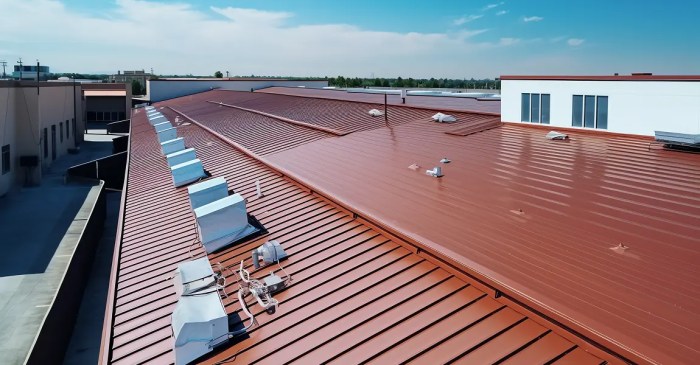
When budgeting for industrial roofing installation, it's essential to consider potential additional costs that may arise during the process. These additional costs can include insulation, flashing, drainage systems, or any unforeseen issues that may require extra materials or labor. Proper budgeting is key to ensuring that the installation project stays on track and within your financial means.
Here are some tips for managing additional costs and budgeting effectively.
Identifying Potential Additional Costs
- Insulation: Proper insulation is crucial for maintaining energy efficiency and protecting the building from temperature fluctuations. Make sure to factor in the cost of insulation materials and installation.
- Flashing: Flashing helps to prevent water from seeping into the roof and causing damage. Including flashing in your budget will ensure that your roof is well-protected.
- Drainage Systems: Proper drainage is essential for preventing water buildup on the roof. Consider the cost of installing drainage systems to avoid water-related issues in the future.
Importance of Budgeting for Unexpected Expenses
- Unforeseen issues can arise during the installation process, leading to additional costs. By budgeting for unexpected expenses upfront, you can mitigate the impact of these surprises on your overall project budget.
- Having a contingency fund set aside for unexpected costs will provide peace of mind and ensure that the project can proceed smoothly, even in the face of challenges.
Tips for Negotiating with Contractors
- Get multiple quotes from different contractors to compare prices and services offered. This will give you a better understanding of the average cost and help you negotiate a fair price.
- Be clear about your budget constraints and priorities. Communicate openly with the contractor to find a solution that meets your needs without compromising on quality.
- Ask about any potential cost-saving measures or alternative materials that could help reduce the overall installation cost without sacrificing durability or performance.
Closing Summary
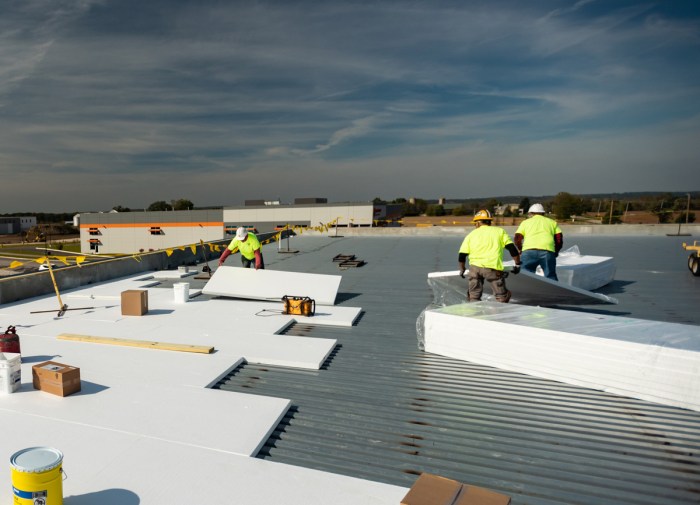
In conclusion, industrial roofing installation cost is a multifaceted consideration that demands attention to detail. By weighing factors like materials, labor, and additional costs, businesses can make cost-effective choices for their roofing projects.
FAQ Explained
What factors influence industrial roofing installation cost?
Factors like roof size, materials used, and location/accessibility can significantly impact the overall cost.
How do different roofing materials compare in terms of cost?
Metal, rubber, and asphalt roofing materials vary in cost, longevity, and maintenance expenses. Each type has its own set of benefits and considerations.
How are labor costs calculated for industrial roofing projects?
Labor costs are typically calculated based on the complexity of the project, required skills, and safety measures. Skilled labor and proper installation techniques are key factors.
What are some additional costs to consider during industrial roofing installation?
Additional costs like insulation, flashing, and drainage systems should be factored into the budget. It's also important to prepare for unexpected expenses.
How can one negotiate with contractors to optimize installation costs?
Negotiating with contractors can help in getting the best value for the installation cost. Clear communication, understanding of project requirements, and comparing quotes can aid in this process.