
Embarking on a journey through the realm of flat roofing systems pricing, this guide aims to shed light on the various aspects that influence costs and help you navigate the complexities of choosing the right system for your needs.
Delve into the nuances of different flat roofing systems, understand the key factors affecting pricing, and gain valuable insights into cost breakdowns and comparisons to make informed decisions.
Types of flat roofing systems
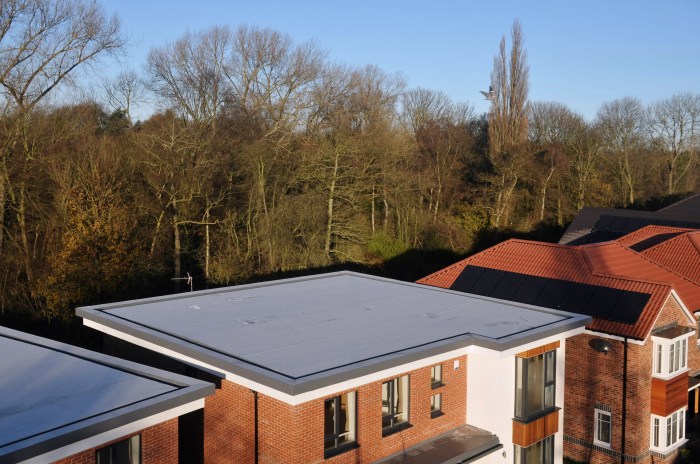
Flat roofing systems are popular for their durability and cost-effectiveness. There are several types of flat roofing systems available in the market, each with its own unique features and benefits.
Single-Ply Membrane Roofing
Single-ply membrane roofing is a common choice for flat roofs due to its lightweight and flexibility. It is made from synthetic materials like PVC, TPO, or EPDM, which provide excellent protection against UV rays and weathering. This type of roofing is easy to install and repair, making it a cost-effective option for commercial buildings.
Built-Up Roofing (BUR)
Built-Up Roofing (BUR) systems consist of multiple layers of asphalt and reinforcing fabrics, such as fiberglass or polyester. This traditional roofing system offers superior waterproofing and can withstand heavy foot traffic. BUR roofs are known for their long lifespan and insulation properties, making them a reliable choice for flat roofs.
Modified Bitumen Roofing
Modified Bitumen roofing is a popular choice for flat roofs due to its durability and weather resistance. It is made from asphalt and rubber modifiers, providing excellent flexibility and protection against harsh weather conditions. This type of roofing system is easy to install and maintain, making it a cost-effective option for commercial and residential buildings.
Green Roofing Systems
Green roofing systems, also known as living roofs, involve the installation of vegetation and plants on the roof surface. These systems provide natural insulation, reduce energy costs, and improve air quality. Green roofs are environmentally friendly and can increase the lifespan of the roof by protecting it from UV rays and extreme temperatures.
Metal Roofing
Metal roofing systems are gaining popularity for flat roofs due to their durability and longevity. They are available in various materials such as aluminum, steel, or copper, providing excellent resistance to fire, wind, and hail. Metal roofs are lightweight, recyclable, and require minimal maintenance, making them a sustainable option for flat roofing systems.
Factors influencing flat roofing systems pricing
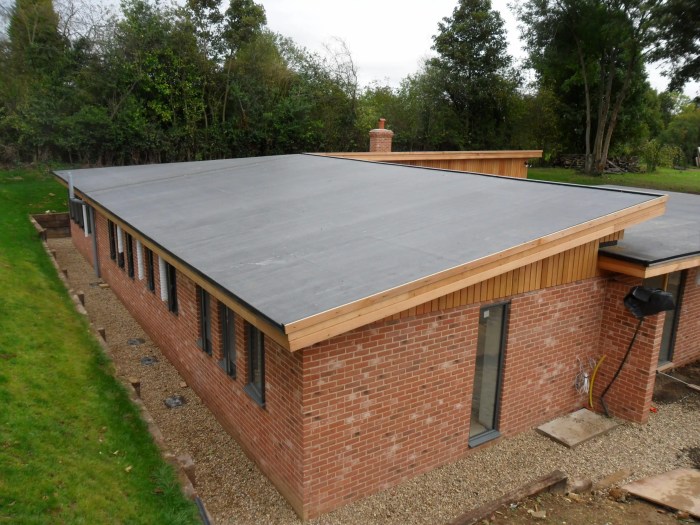
When it comes to determining the pricing of flat roofing systems, several key factors come into play. These factors can significantly impact the overall cost of installation and maintenance. Let's delve into the key considerations that influence flat roofing systems pricing.
Material Quality
The quality of materials used for flat roofing systems plays a crucial role in determining the pricing. High-quality materials may come at a higher cost initially, but they often offer better durability and longevity, reducing the need for frequent repairs or replacements.
On the other hand, opting for lower-quality materials may lead to more frequent maintenance and repairs, ultimately costing more in the long run. It's essential to consider the long-term benefits of investing in high-quality materials when assessing the overall pricing of flat roofing systems.
Installation Complexity
The complexity of the installation process can also impact the pricing of flat roofing systems. Factors such as the size and shape of the roof, accessibility, and additional features like skylights or vents can influence the complexity of the installation.
A more complex installation process may require additional labor and specialized equipment, leading to higher overall costs. It's important to factor in the installation complexity when budgeting for flat roofing systems to ensure an accurate estimate of pricing.
Cost breakdown of flat roofing systems
When it comes to the cost breakdown of flat roofing systems, it is essential to consider various factors that contribute to the overall pricing. These factors include materials, labor, maintenance, warranties, and additional services. Understanding the average costs associated with different components can help you make informed decisions when planning for a flat roofing system.
Materials
- Flat roofing materials can vary in cost depending on the type of material used. Common materials include EPDM rubber, TPO, PVC, built-up roofing, and modified bitumen.
- The average cost of materials for flat roofing systems can range from $3 to $10 per square foot, with higher quality materials typically costing more.
Labor
- Labor costs for installing a flat roofing system can also vary based on the complexity of the project, location, and experience of the roofing contractor.
- On average, labor costs can range from $3 to $7 per square foot for flat roofing installation.
Maintenance
- Ongoing maintenance is crucial for the longevity of a flat roofing system. Regular inspections, repairs, and cleaning can help prevent costly damages in the long run.
- The average cost of maintenance for flat roofing systems can range from $0.15 to $0.50 per square foot annually.
Warranties and Additional Services
- Some roofing manufacturers offer warranties on their materials, which can influence the overall pricing of a flat roofing system. Longer warranties may come at a higher cost but provide added protection.
- Additional services such as roof inspections, emergency repairs, and roof coatings can also impact the overall cost of a flat roofing system.
Pricing comparison of popular flat roofing systems
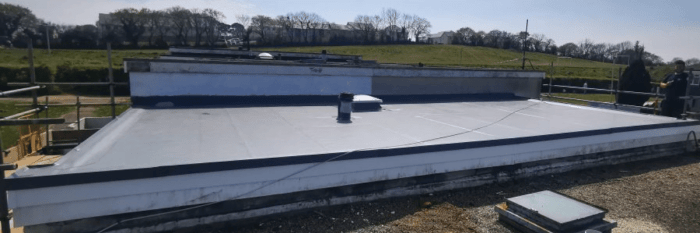
EPDM, TPO, PVC, and built-up roofing systems are some of the popular choices for flat roofs. Each type comes with its own pricing considerations and long-term cost-effectiveness. Let's compare the pricing of these flat roofing systems and understand the cost variation between single-ply and multi-ply options.
EPDM Roofing
EPDM roofing systems are known for their durability and cost-effectiveness. The average cost of EPDM roofing installation ranges from $3.50 to $7.50 per square foot. While the upfront cost may be higher compared to other options, EPDM is known for its longevity and low maintenance requirements, making it a cost-effective choice in the long run.
TPO Roofing
TPO roofing is another popular choice for flat roofs due to its energy efficiency and durability. The average cost of TPO roofing installation is around $4.00 to $8.00 per square foot. TPO roofs are known for their reflective properties, which can help reduce energy costs over time, making them a cost-effective option for many property owners.
PVC Roofing
PVC roofing systems are known for their chemical resistance and durability. The average cost of PVC roofing installation ranges from $6.50 to $12.00 per square foot. While PVC roofs may have a higher upfront cost, their long lifespan and low maintenance requirements make them a cost-effective choice for many commercial properties.
Built-up Roofing
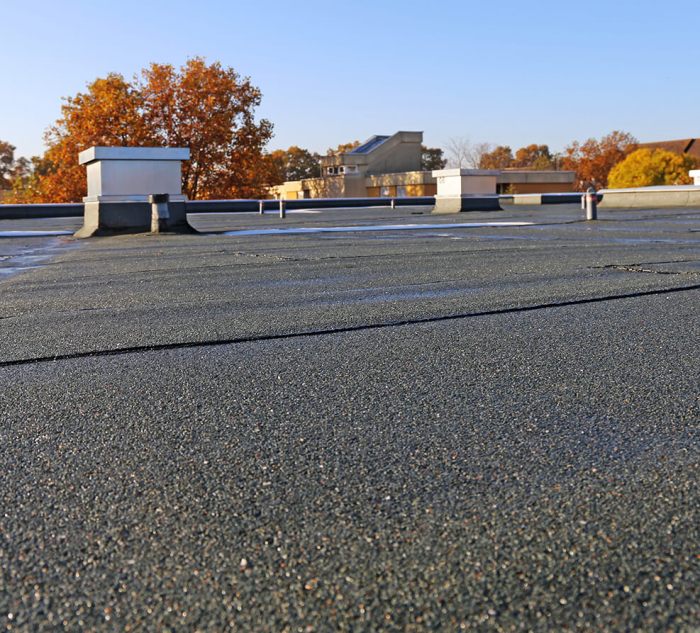
Built-up roofing systems, also known as tar and gravel roofs, are a traditional option for flat roofs. The average cost of built-up roofing installation is around $3.50 to $6.50 per square foot. While built-up roofs may have a lower upfront cost compared to other options, they may require more frequent maintenance and repairs, affecting their long-term cost-effectiveness.Overall, when comparing the pricing of popular flat roofing systems, it's essential to consider not only the upfront cost but also the long-term cost-effectiveness and maintenance requirements of each option.
Property owners should choose a roofing system that aligns with their budget and provides the best value over time.
Conclusion
In conclusion, understanding flat roofing systems pricing is essential for making informed decisions when it comes to your roofing needs. Armed with the knowledge from this guide, you can confidently navigate the world of flat roofing systems and make choices that are both cost-effective and durable.
User Queries
What are the key factors influencing flat roofing systems pricing?
Factors such as material quality, installation complexity, and additional services can significantly impact the pricing of flat roofing systems.
How do warranties affect the overall pricing of flat roofing systems?
Warranties can add to the total cost of flat roofing systems but provide long-term protection and peace of mind for homeowners.
What are the cost differences between single-ply and multi-ply flat roofing systems?
Single-ply systems are generally more cost-effective upfront, while multi-ply systems offer increased durability and longevity, balancing out the initial cost.
Which flat roofing system is considered the most cost-effective in the long run?
EPDM roofing is often viewed as a cost-effective choice due to its durability, low maintenance requirements, and longevity.