
Exploring the realm of roofing scheduling software unveils a world where contractors harness technology to streamline project timelines and enhance efficiency. Dive into this guide filled with insights and examples to navigate the landscape of roofing scheduling software with ease.
Importance of Roofing Scheduling Software
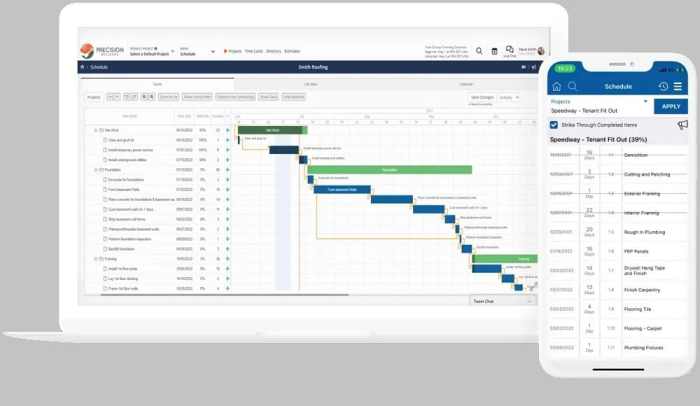
Roofing scheduling software plays a crucial role in streamlining operations for contractors, offering a wide range of benefits that enhance project management efficiency.
Optimizing Project Timelines
Roofing scheduling software enables contractors to create detailed project timelines, allowing for better organization and planning of tasks. By having a clear overview of the project schedule, contractors can allocate resources effectively and ensure timely completion of each phase.
Improving Efficiency in Project Management
- Automated Scheduling: Roofing scheduling software automates the process of creating schedules, reducing the risk of human error and ensuring accurate timelines.
- Resource Allocation: With the ability to assign tasks and resources efficiently, contractors can optimize workforce productivity and minimize downtime.
- Real-time Updates: Contractors can easily track progress, communicate changes, and adjust schedules in real-time, enhancing collaboration and decision-making.
- Enhanced Communication: Roofing scheduling software facilitates effective communication among team members, clients, and subcontractors, leading to smoother project coordination.
Key Features of Roofing Scheduling Software
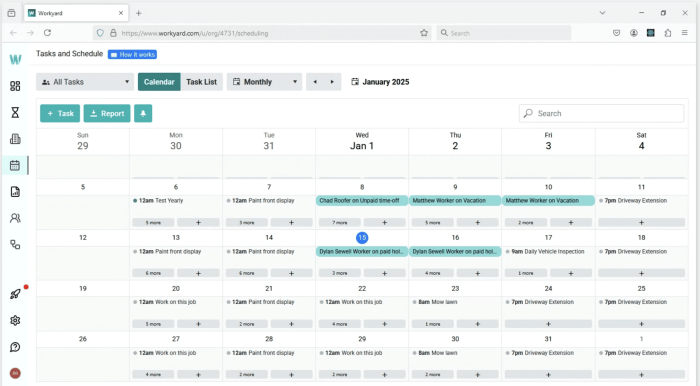
When choosing roofing scheduling software, it is essential to consider the key features that will help streamline your operations and improve efficiency. Here are some essential features that roofing scheduling software should have:
1. Calendar Integration
Roofing scheduling software should have the ability to integrate with popular calendar apps like Google Calendar or Outlook. This feature allows you to easily schedule appointments, set reminders, and avoid double bookings.
2. Job Tracking
The software should provide job tracking capabilities, allowing you to monitor the progress of each roofing project, assign tasks to team members, and ensure that deadlines are met.
3. Communication Tools
Look for software that includes communication tools such as notifications, messaging, and alerts to keep your team members, clients, and suppliers informed about project updates and changes.
4. Mobile Accessibility
It is crucial for roofing scheduling software to be accessible on mobile devices, enabling your team to view schedules, update job statuses, and communicate on the go. This feature ensures real-time collaboration and flexibility.
5. Reporting and Analytics
Choose software that offers reporting and analytics features to track key performance indicators, evaluate project profitability, and identify areas for improvement in your roofing business.
Comparison Table of Top Roofing Scheduling Software
| Software | Calendar Integration | Job Tracking | Communication Tools | Mobile Accessibility | Reporting and Analytics |
|---|---|---|---|---|---|
| RoofSnap | Yes | Yes | Yes | Yes | Yes |
| AccuLynx | Yes | Yes | Yes | Yes | Yes |
| JobNimbus | Yes | Yes | Yes | Yes | Yes |
Implementation of Roofing Scheduling Software
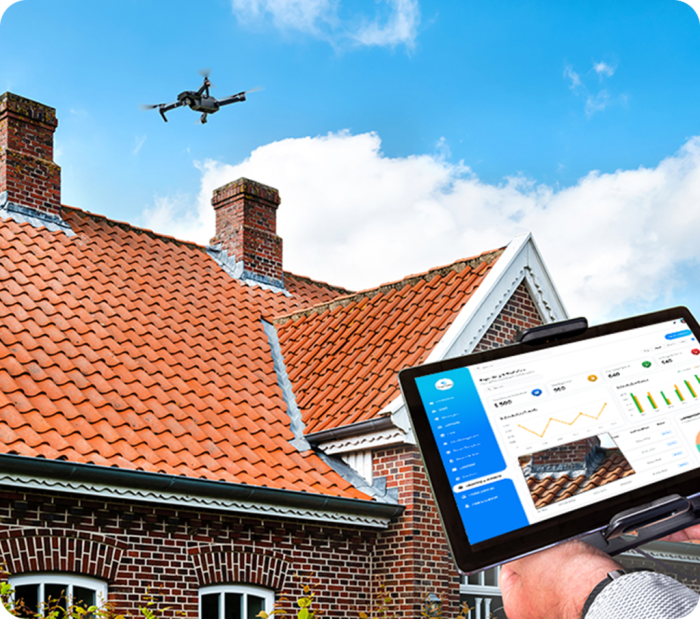
Implementing roofing scheduling software in a roofing business can greatly improve efficiency and organization. Here are the steps to successfully implement the software, along with challenges that may arise and best practices for training employees.
Steps to Successfully Implement Roofing Scheduling Software
- Assess Current Processes: Evaluate your current scheduling processes to identify areas that can be improved with software.
- Choose the Right Software: Research and select a roofing scheduling software that aligns with your business needs and goals.
- Customize and Configure: Tailor the software to fit your specific requirements, such as adding custom fields or setting up automated reminders.
- Data Migration: Transfer existing data to the new software system accurately to ensure a smooth transition.
- Training and Support: Provide comprehensive training to employees on how to use the software effectively and offer ongoing support.
Challenges and How to Overcome Them
- Resistance to Change: Some employees may be resistant to adopting new technology. Address this by highlighting the benefits of the software and offering support throughout the transition.
- Data Accuracy: Ensuring data accuracy during the migration process can be a challenge. Double-check data entries and perform thorough testing to identify any inconsistencies.
- Integration Issues: If the software needs to integrate with other systems, compatibility issues may arise. Work closely with the software provider to resolve any integration challenges.
Best Practices for Training Employees
- Hands-On Training: Provide hands-on training sessions where employees can practice using the software in a simulated environment.
- Clear Communication: Clearly communicate the benefits of the software and how it will streamline their daily tasks.
- Feedback Mechanism: Establish a feedback mechanism for employees to share their experience using the software and address any issues promptly.
Integration with Other Tools
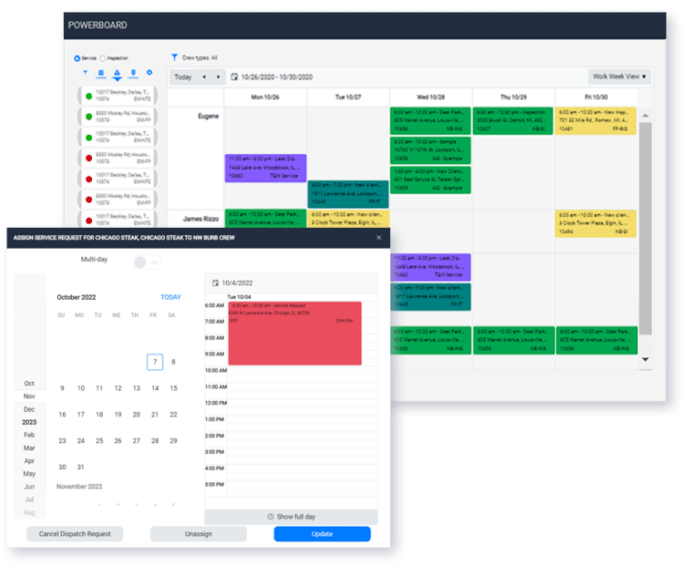
Roofing scheduling software can greatly benefit from integration with other tools, such as accounting software and CRM systems, to streamline operations and enhance overall efficiency.
Integration with Accounting Software
- Integration with accounting software allows for seamless financial management by automating invoicing, tracking payments, and managing expenses.
- Examples of accounting software that can be integrated with roofing scheduling software include QuickBooks, Xero, and FreshBooks.
- Data synchronization between roofing scheduling software and accounting software ensures accurate financial records and eliminates the need for manual data entry.
Integration with CRM Systems
- Integrating roofing scheduling software with Customer Relationship Management (CRM) systems enables better customer communication and relationship management.
- Popular CRM systems that can be integrated with roofing scheduling software include Salesforce, HubSpot, and Zoho CRM.
- By synchronizing data between the two systems, businesses can provide personalized customer service and improve overall customer satisfaction.
Importance of Data Synchronization
- Data synchronization between roofing scheduling software and other tools ensures that all systems have access to the most up-to-date information, reducing errors and improving efficiency.
- Accurate and timely data synchronization allows for better decision-making, increased productivity, and enhanced collaboration among team members.
- By maintaining consistent and synchronized data across all integrated tools, businesses can optimize their workflows and deliver better services to their customers.
Wrap-Up
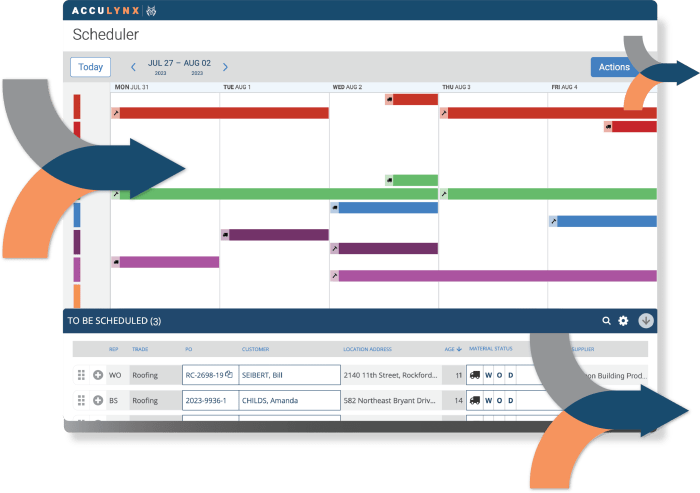
In conclusion, roofing scheduling software emerges as a pivotal tool for contractors looking to optimize project management and boost productivity. By embracing the features and best practices Artikeld in this guide, businesses can pave the way for smoother operations and successful project execution.
FAQ Insights
How can roofing scheduling software benefit contractors?
Roofing scheduling software helps contractors optimize project timelines, improve efficiency, and enhance overall project management processes.
What are some essential features of roofing scheduling software?
Key features include project timeline optimization, task scheduling, resource management, and real-time collaboration tools.
How can roofing scheduling software integrate with accounting software?
Roofing scheduling software can integrate with accounting software to ensure seamless financial management and data synchronization.