
Delve into the intricate world of roof repair pricing with this comprehensive guide that unravels the key factors influencing costs, common pricing models, cost breakdown of services, and tips for budgeting and negotiating. Get ready to explore a wealth of information that will empower you in making informed decisions about your roof repairs.
Factors Influencing Roof Repair Pricing
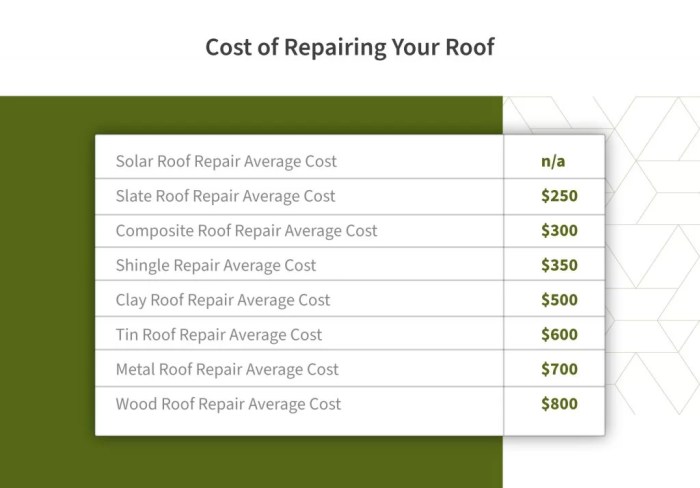
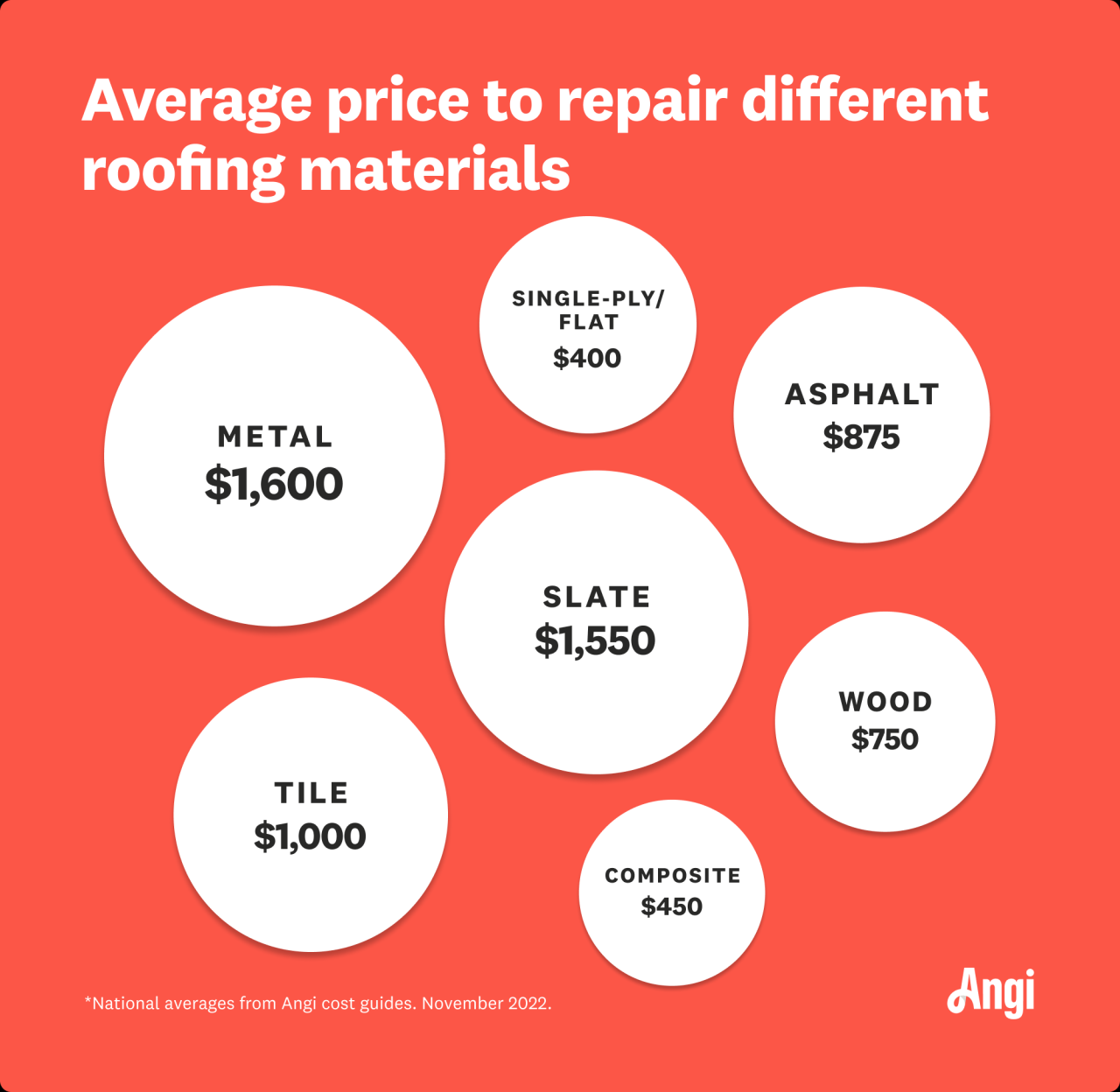
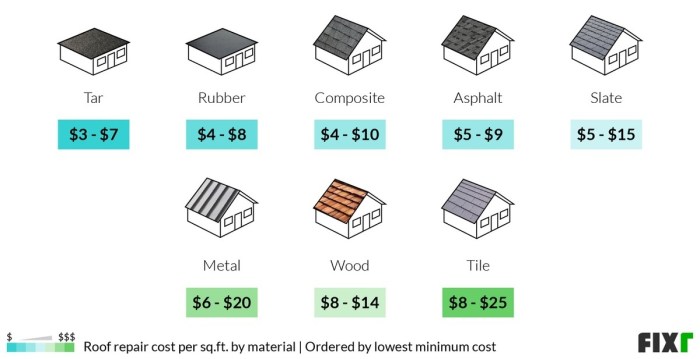
When it comes to determining the cost of roof repairs, several factors come into play. Understanding these key influences can help homeowners anticipate and budget for the expenses associated with fixing their roofs.The type of roofing material used on a property is a significant factor in determining repair costs.
Materials such as asphalt shingles, metal, clay tiles, or slate each have unique characteristics that affect the repair process and cost. For example, repairing a metal roof may require specialized tools and expertise, resulting in higher labor costs compared to repairing an asphalt shingle roof.Labor, time, and the complexity of the repair also play a crucial role in determining the final price of roof repairs.
More labor-intensive repairs, those that take longer to complete, or repairs that require specialized skills will naturally come at a higher cost. Factors such as the pitch of the roof, accessibility, and the extent of damage will all impact the amount of time and effort required to complete the repair.Pricing for roof repairs can vary based on the extent of damage or the specific repairs needed.
Minor repairs such as fixing a small leak or replacing a few shingles will generally be less expensive than major repairs like replacing an entire section of the roof or addressing structural issues. It's essential for homeowners to get a detailed inspection and estimate from a professional roofing contractor to accurately assess the scope of work needed and the associated costs.
Common Pricing Models in Roof Repair
When it comes to roof repair pricing, roofing contractors often use different pricing models to determine the cost of the service. Each pricing model has its own set of pros and cons, which can impact how much you pay for your roof repair.
Hourly Rates
Hourly rates are a common pricing model used by roofing contractors. In this model, you are charged based on the number of hours the contractor spends working on your roof repair. Hourly rates can vary depending on the experience level of the contractor and the complexity of the repair job.
- Pros: Hourly rates can be beneficial for small, quick repair jobs as you only pay for the time spent on the project.
- Cons: Hourly rates can become expensive for larger repair projects or if the contractor takes longer than expected to complete the job.
Flat Fees
Flat fees are another common pricing model used in roof repair. With flat fees, the contractor provides a fixed price for the entire repair job, regardless of how long it takes to complete. This can provide more predictability in terms of cost.
- Pros: Flat fees can be advantageous for larger repair projects with well-defined scope as you know the total cost upfront.
- Cons: Flat fees may not account for unexpected issues that could arise during the repair process, leading to potential additional charges.
Cost Per Square Foot
Cost per square foot is a pricing model where the contractor charges based on the total square footage of the roof that needs repair. This pricing structure can vary depending on the materials used, labor costs, and the extent of the repair needed.
- Pros: Cost per square foot can be useful for comparing quotes from different contractors and understanding the breakdown of costs.
- Cons: Cost per square foot pricing may not accurately reflect the complexity of the repair job, potentially leading to overestimation or underestimation of the actual costs.
It's important to note that pricing models in roof repair can vary based on geographical location, industry standards, and the specific requirements of the repair job. Understanding the different pricing models and their pros and cons can help you make an informed decision when selecting a contractor for your roof repair needs.
Cost Breakdown of Roof Repair Services

When it comes to roof repair services, understanding the breakdown of costs involved can help homeowners make informed decisions. Let's break down the typical costs associated with a roof repair project, including materials, labor, permits, and overhead expenses.
Materials
- Roofing shingles or materials needed for repair
- Underlayment and flashing materials
- Sealants and adhesives
Labor
- Cost of hiring roofing professionals or contractors
- Hourly rates or project-based fees for labor
- Additional costs for specialized skills or equipment
Permits
- Fees associated with obtaining necessary permits for the repair project
- Inspections and approvals required by local building codes
Overhead Expenses
- Business operational costs for the roofing company
- Insurance premiums and licensing fees
- General overhead expenses to cover administrative costs
Impact of Warranties, Insurance, and Additional Services
Warranties on materials or workmanship, insurance coverage, and additional services like roof inspections or maintenance can impact the overall pricing of a roof repair project. Homeowners should consider these factors when budgeting for repairs.
Hypothetical Cost Breakdown
For a standard roof repair project involving replacing damaged shingles, labor costs may range from $500 to $1500, materials could cost $300 to $800, permits may add an additional $100 to $300, and overhead expenses could be around $200 to $500. With warranties, insurance, and any additional services, the total cost could fall between $1500 to $3000.
Tips for Budgeting and Negotiating Roof Repair Costs
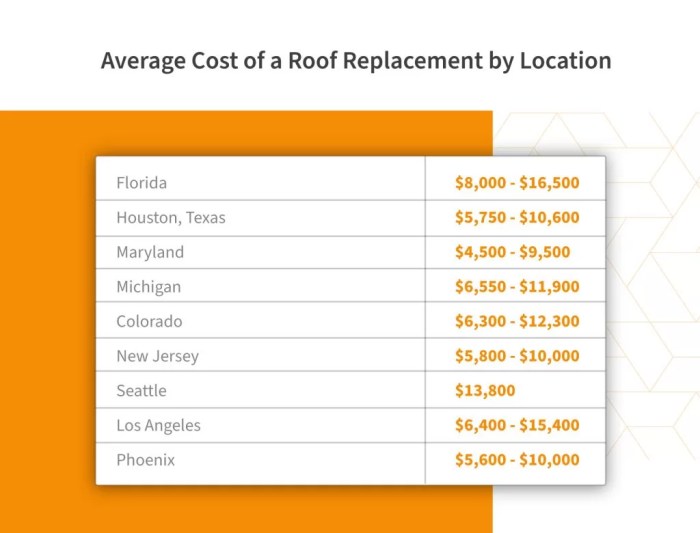
When it comes to roof repairs, budgeting and negotiating costs are crucial steps for homeowners to ensure they get the best value for their money. By following the right strategies and tips, homeowners can effectively manage their budget and negotiate fair pricing with roofing contractors.
Strategies for Budgeting Effectively
- Assess the extent of the damage: Before setting a budget, it's important to assess the extent of the damage to your roof. This will help you determine how much you need to set aside for repairs.
- Research average costs: Research the average costs of roof repairs in your area to get an idea of how much you should budget for the project.
- Set a realistic budget: Based on your assessment and research, set a realistic budget that takes into account potential unexpected expenses.
Tips for Negotiating Pricing
- Obtain multiple quotes: It's important to get quotes from several roofing contractors to compare pricing and services offered. This will help you negotiate better pricing.
- Ask for discounts: Don't be afraid to ask contractors if they offer any discounts or promotions that could help lower the overall cost of the repair.
- Negotiate payment terms: Discuss payment terms with the contractor and see if there is room for negotiation, such as installment payments or payment upon completion of the project.
Importance of Comparing Pricing Options
- Comparing pricing options allows you to choose a contractor that offers the best value for the services provided. This ensures that you are not overpaying for the repairs.
- By obtaining multiple quotes, you can also gauge the average cost of the repair in your area and avoid being taken advantage of by contractors who overcharge.
Prioritizing Repairs Based on Urgency and Budget
- Identify urgent repairs: Prioritize repairs that are urgent and require immediate attention to prevent further damage to your home.
- Consider budget constraints: If you have a limited budget, focus on essential repairs first and plan for non-urgent repairs at a later time when finances allow.
Final Conclusion
In conclusion, this guide equips you with the necessary knowledge to navigate the complexities of roof repair pricing confidently. With a deeper understanding of the various factors at play, pricing models utilized, and tips for managing costs, you are now well-prepared to tackle any roof repair project with ease.
Common Queries
What are the key factors that influence roof repair pricing?
The type of roofing material, labor costs, repair complexity, and extent of damage all play significant roles in determining the final price.
What are the common pricing models used in roof repair?
Roofing contractors may use hourly rates, flat fees, or cost per square foot pricing structures, each with its own set of pros and cons.
How can homeowners effectively negotiate pricing with roofing contractors?
Homeowners can negotiate pricing by obtaining multiple quotes, comparing options, and emphasizing the importance of quality work within their budget constraints.