
In the aftermath of a storm, addressing emergency roofing needs promptly is vital to prevent further damage and maintain the structural integrity of your property. This guide will walk you through the necessary steps and precautions to take in such situations.
Importance of Emergency Roofing After a Storm
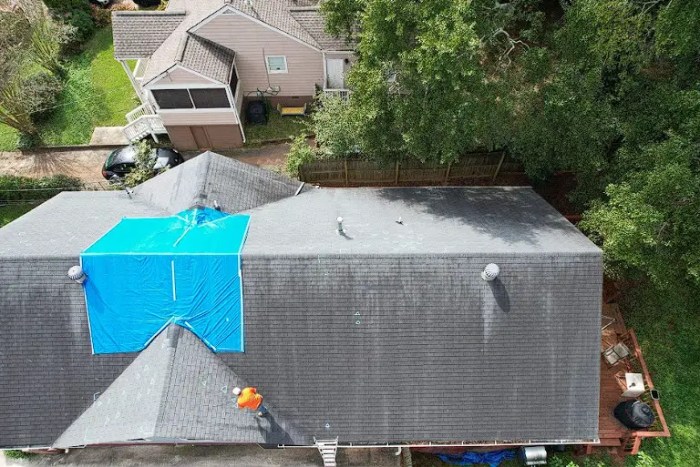
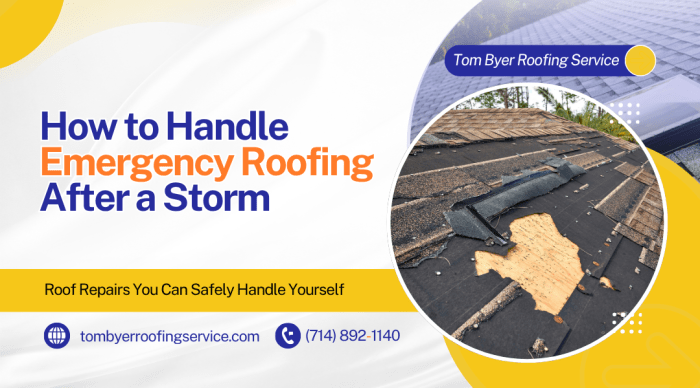
After a storm, addressing roofing issues immediately is crucial to prevent further damage and ensure the safety of occupants.
Potential Damages without Quick Repairs
- Water Leakage: A damaged roof can lead to water seeping into the building, causing mold growth, rotting wood, and compromising the structure.
- Structural Damage: Delayed repairs can weaken the roof's structure, making it more susceptible to collapse under the weight of debris or subsequent storms.
- Increased Repair Costs: The longer repairs are postponed, the more extensive and costly they may become as the damage worsens over time.
Impact on Structural Integrity
Roofing plays a vital role in maintaining the overall structural integrity of a building. A compromised roof can lead to a domino effect of issues, affecting not only the roof itself but also the walls, ceilings, and other parts of the structure.
Timely emergency roofing can mitigate these risks and prevent further structural damage.
Steps to Take After a Storm for Emergency Roofing
After a storm, it is crucial to assess your roof for any damage promptly. Taking the appropriate steps can help prevent further issues and ensure the safety of your home and family.
Assessing Roof Damage
- Start by conducting a visual inspection of your roof from the ground. Look for missing or damaged shingles, dents, or signs of leaks.
- If it is safe to do so, carefully climb onto your roof to get a closer look. Check for any structural damage, such as sagging areas or cracks.
- Inspect your attic for any signs of water leaks or damage. Water stains on the ceiling or walls could indicate a roofing issue.
Key Safety Measures
- Prioritize safety by wearing appropriate gear, including sturdy shoes, gloves, and a helmet if climbing onto the roof.
- Avoid working on the roof alone. Have someone nearby in case of emergencies or accidents.
- Be cautious of unstable or slippery surfaces, especially after a storm. Wait for the roof to dry before attempting any repairs.
Documenting Damage for Insurance Claims
- Take detailed photographs of the roof damage from multiple angles. Include close-up shots of the affected areas.
- Keep a written record of the date and time of the storm, as well as any relevant weather reports or warnings.
- Contact your insurance provider as soon as possible to file a claim. Provide them with the documentation and evidence of the damage.
Temporary Roofing Solutions
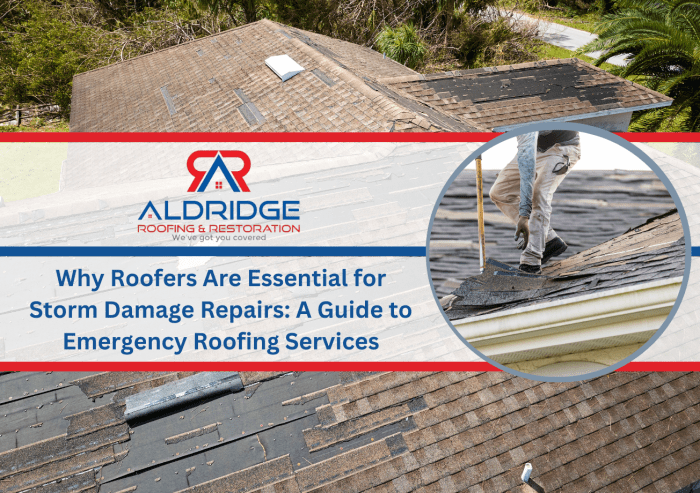
When facing a damaged roof after a storm, it is crucial to act quickly to prevent further harm to your property. Temporary roofing solutions can provide a quick fix until permanent repairs can be made.
Tarpaulin Cover
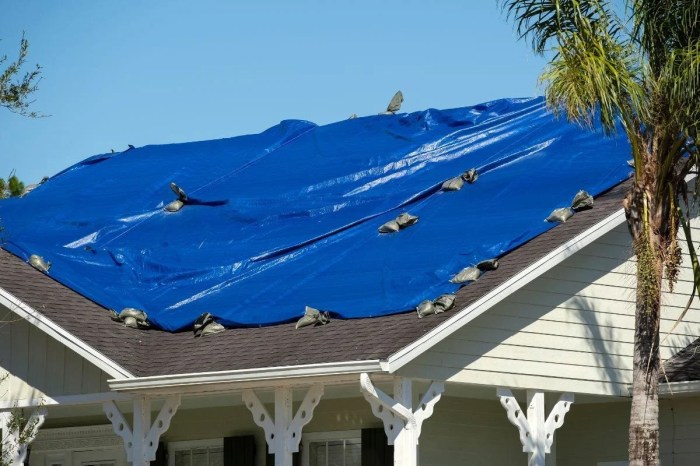
One common temporary roofing solution is to use tarpaulin to cover the damaged area. This can help prevent water from seeping into your home and causing additional damage.
Plastic Sheeting
Another option is to use plastic sheeting to cover the exposed parts of the roof. This can be an effective way to protect your home from the elements while you wait for professional repairs.
Roof Sealant
Applying roof sealant to small cracks or holes in the roof can also serve as a temporary fix. However, it is important to note that this may not be suitable for larger areas of damage.
Consulting Professionals
While temporary roofing solutions can help in the short term, it is essential to consult with roofing professionals to assess the damage properly and determine the best course of action. They can provide expert advice on the most effective temporary fixes and ensure that your roof is properly repaired in the long run.
Hiring Professional Roofing Services
When it comes to hiring professional roofing services after a storm, it is crucial to choose a reputable contractor who can efficiently restore your roof. Here are some key points to consider when selecting a roofing contractor:
Checklist for Selecting a Reputable Roofing Contractor
- Ask for recommendations from friends, family, or neighbors who have recently had roofing work done.
- Research online reviews and ratings of different roofing companies in your area.
- Verify that the contractor is licensed and insured to protect yourself from liability in case of accidents or damages.
- Check the contractor's experience and expertise in handling storm damage repairs specifically.
- Request a written estimate and compare quotes from multiple contractors to ensure a fair price.
Significance of Verifying Credentials and Insurance Coverage
It is essential to verify a roofing contractor's credentials and insurance coverage before hiring them for your emergency roofing needs. This step helps protect you from potential risks and ensures that you are working with a professional who meets industry standards.
Always ask for proof of insurance and licenses before signing any contracts to avoid any legal or financial complications later on.
Tips on Negotiating Contracts and Understanding the Scope of Work
- Review the contract thoroughly and make sure all work to be done is clearly Artikeld, including materials, labor, and timelines.
- Negotiate payment terms and discuss any warranties or guarantees provided by the contractor.
- Ask questions about the scope of work, such as the removal of debris, repairing damaged areas, and final inspections.
- Communicate any specific concerns or preferences you have regarding the roofing project to avoid misunderstandings.
Concluding Remarks
As we conclude our discussion on emergency roofing after a storm, remember that taking immediate action, documenting damages, and consulting professionals are key to ensuring a swift and effective repair process. Stay proactive and safeguard your property against the aftermath of storms.
Quick FAQs
What are some common damages that can worsen if emergency roofing is delayed?
Examples include water leaks leading to mold growth, compromised structural integrity, and potential safety hazards.
How can I select a reputable roofing contractor for emergency repairs?
Look for credentials, insurance coverage, customer reviews, and ask for a detailed estimate before making a decision.
What are the key safety measures to consider before inspecting or repairing a damaged roof?
Avoid climbing on the roof yourself, turn off electricity in the affected area, and wear appropriate safety gear.