
Delving into the realm of environmentally friendly roofing materials, this introductory paragraph aims to pique the interest of readers with a glimpse into the world of sustainable construction.
Providing insights into the various types and benefits of eco-friendly roofing materials, this overview sets the stage for a deeper understanding of sustainable building practices.
Types of Environmentally Friendly Roofing Materials
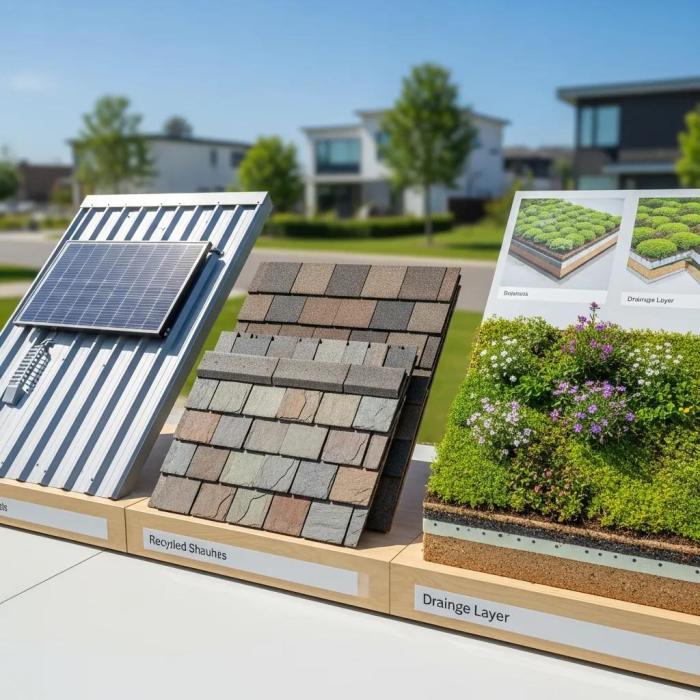
When it comes to environmentally friendly roofing materials, there are several options available that offer sustainability benefits. Let's explore the different types and their features.
Metal Roofing
Metal roofing is a popular choice for eco-friendly homes due to its durability and recyclability. Made from materials like aluminum, steel, or copper, metal roofs can last up to 50 years and are fully recyclable at the end of their lifespan.
They are also energy-efficient, reflecting sunlight to reduce cooling costs.
Solar Roofing
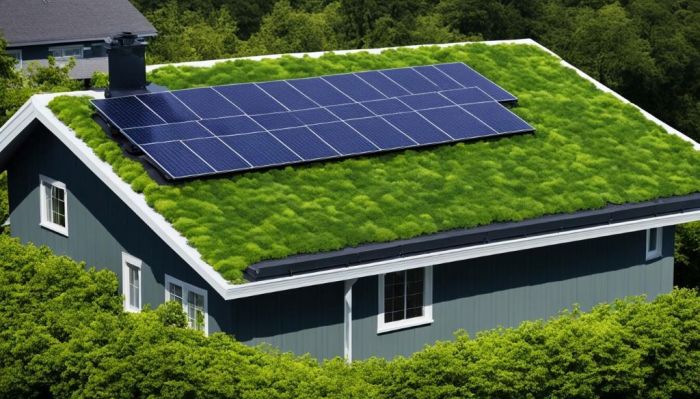
Solar roofing systems are designed to harness the power of the sun to generate electricity for the home. By installing solar panels on the roof, homeowners can reduce their carbon footprint and lower their energy bills. While the initial cost may be high, the long-term savings and environmental benefits make solar roofing a sustainable choice.
Green Roofing
Green roofing involves planting vegetation on the roof to improve insulation, reduce stormwater runoff, and create a habitat for wildlife. These living roofs can help regulate indoor temperatures, purify the air, and increase biodiversity in urban areas. Green roofing systems are not only environmentally friendly but also aesthetically pleasing.
Recycled Roofing Materials
Recycled roofing materials are made from reclaimed products like rubber, plastic, or wood fibers. By repurposing these materials, manufacturers help reduce waste in landfills and conserve natural resources. Recycled roofing is durable, energy-efficient, and can be customized to fit different architectural styles.
Benefits of Using Environmentally Friendly Roofing Materials
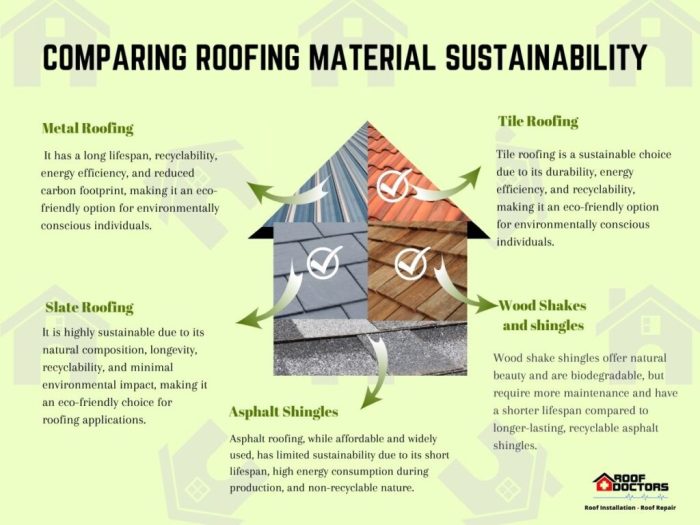
Using environmentally friendly roofing materials offers numerous advantages for both the environment and building owners. These materials not only help reduce the carbon footprint of a structure but also provide benefits such as energy efficiency and long-term cost savings.
Energy Efficiency
Environmentally friendly roofing materials, such as cool roofs or green roofs, can significantly improve a building's energy efficiency. Cool roofs, for example, are designed to reflect sunlight and absorb less heat, reducing the need for air conditioning during hot weather.
This can lead to lower energy consumption and decreased greenhouse gas emissions, contributing to a more sustainable environment.
Long-Term Cost Savings
While the initial cost of environmentally friendly roofing materials may be higher than traditional options, the long-term cost savings are substantial. These materials are often more durable and require less maintenance, resulting in lower repair and replacement costs over time.
Additionally, the energy savings from improved insulation and reduced heating and cooling needs can lead to significant financial benefits in the long run.
Installation and Maintenance of Environmentally Friendly Roofing Materials
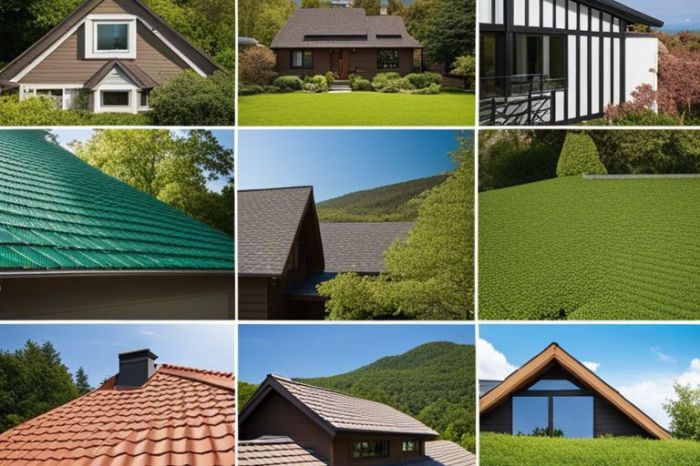
When it comes to installing and maintaining environmentally friendly roofing materials, there are certain considerations and tips to keep in mind to ensure the longevity and effectiveness of the roof.
Installation Process
- Ensure that the roof structure is properly prepared and inspected before installation to support the weight of the eco-friendly materials.
- Hire experienced and certified roofing contractors who have expertise in installing environmentally friendly roofing materials.
- Follow the manufacturer's guidelines and recommendations for installation to guarantee proper fitting and performance.
- Consider incorporating additional insulation during the installation process to improve energy efficiency and reduce heating and cooling costs.
Maintenance Tips
- Regularly inspect the roof for any signs of damage, leaks, or wear and tear, and address them promptly to prevent further issues.
- Clean the roof surface at least once a year to remove debris, dirt, and moss that can affect the roof's performance and lifespan.
- Trim overhanging branches and vegetation near the roof to prevent damage and minimize the risk of pests and debris accumulation.
- Check and maintain gutters and drainage systems to ensure proper water flow and prevent water damage to the roof and the structure.
Special Considerations
- Depending on the type of environmentally friendly roofing material used, there may be specific maintenance requirements or limitations to be aware of.
- Extreme weather conditions or environmental factors can impact the performance and lifespan of eco-friendly roofing materials, so regular maintenance is crucial.
- Consult with roofing professionals or manufacturers for any special considerations or challenges unique to the installation and maintenance of specific eco-friendly roofing materials.
Environmental Impact of Traditional Roofing Materials vs. Environmentally Friendly Options
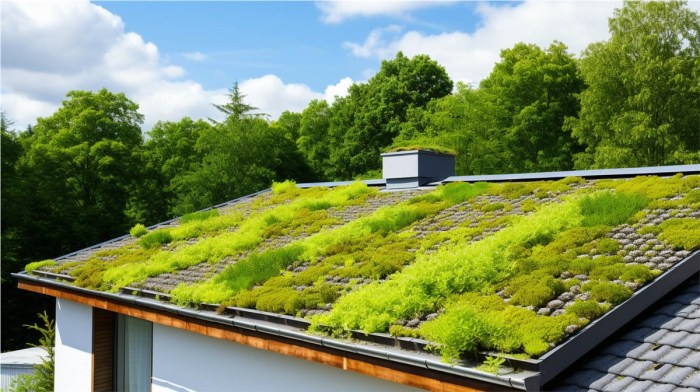
When it comes to roofing materials, the choice between traditional options and environmentally friendly alternatives can have a significant impact on the environment. Let's compare the environmental implications of these two choices and analyze the carbon footprint associated with each type of roofing material.
Carbon Footprint of Traditional Roofing Materials
Traditional roofing materials such as asphalt shingles and metal roofs are known for their high carbon footprint. The production process of these materials involves the extraction of raw materials, energy-intensive manufacturing processes, and transportation, all of which contribute to greenhouse gas emissions.
Additionally, the disposal of these materials at the end of their lifespan can further harm the environment, as they often end up in landfills.
Carbon Footprint of Environmentally Friendly Roofing Materials
On the other hand, environmentally friendly roofing materials like recycled shingles, solar panels, and green roofs have a much lower carbon footprint. These materials are often made from recycled or sustainable sources, reducing the need for new raw materials and minimizing energy consumption during production.
Additionally, these materials can help reduce energy consumption in buildings, further lowering their overall environmental impact.
Reducing Environmental Degradation with Environmentally Friendly Options
By choosing environmentally friendly roofing materials over traditional options, individuals and businesses can play a significant role in reducing environmental degradation. The use of sustainable materials helps conserve natural resources, minimize waste generation, and lower greenhouse gas emissions. In the long run, this can contribute to a healthier and more sustainable environment for future generations.
End of Discussion
Wrapping up our discussion on environmentally friendly roofing materials, we reflect on the importance of sustainable choices in construction and the positive impact they can have on our environment.
Common Queries
What are the benefits of using solar roofing materials?
Solar roofing materials can help reduce energy costs by harnessing the power of the sun to generate electricity for your home.
How do recycled roofing materials contribute to sustainability?
Recycled roofing materials help reduce waste and promote a circular economy by reusing materials that would otherwise end up in landfills.
Are environmentally friendly roofing materials more expensive?
While the initial cost may be higher, the long-term savings from energy efficiency and durability often outweigh the upfront investment.