
Delve into the world of roofing systems for warehouses as we explore the various types, factors to consider, installation and maintenance tips, cost implications, and more. Get ready to uncover the secrets to durable and efficient warehouse roofs.
Types of Roofing Systems
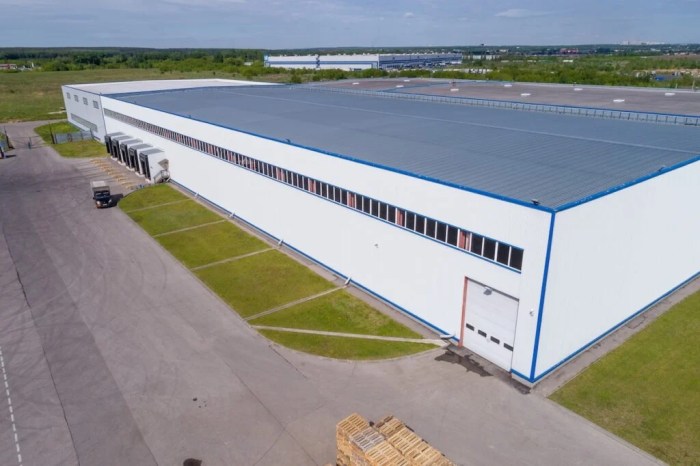
Metal Roofs versus Asphalt Roofs for Warehouse Buildings:Metal roofs are a popular choice for warehouse buildings due to their durability and longevity. They are resistant to fire, rot, and insects, making them a low-maintenance option. However, metal roofs can be more expensive upfront compared to asphalt roofs.
On the other hand, asphalt roofs are more affordable but may require more frequent maintenance and replacement. They are also not as durable as metal roofs and may not withstand extreme weather conditions as well.Green Roofs for Warehouse Buildings:Green roofs are becoming increasingly popular for warehouse buildings due to their environmental benefits and energy efficiency.
These roofs are covered with vegetation, which helps to reduce energy costs by providing natural insulation. Green roofs also help to manage stormwater runoff, improve air quality, and create a more aesthetically pleasing environment. Incorporating green roofs into warehouse roofing systems can also extend the lifespan of the roof membrane by protecting it from UV radiation and extreme temperatures.
Factors to Consider
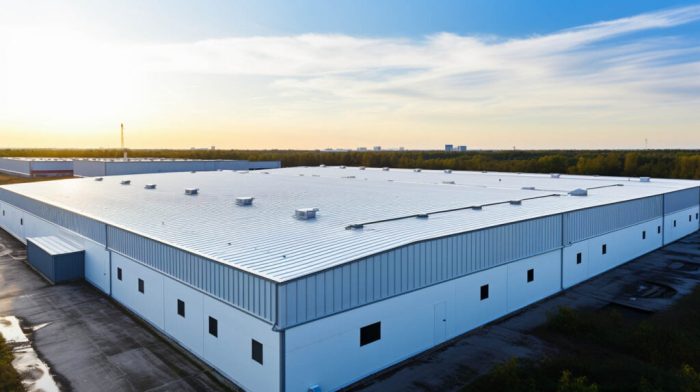
When selecting a roofing system for warehouses, it is crucial to consider various factors to ensure the longevity and efficiency of the structure. Factors such as durability, weather resistance, insulation, and drainage systems play a significant role in maintaining the integrity of warehouse roofs.
Durability and Weather Resistance
Durability is a key factor to consider when choosing a roofing system for warehouses. The roof should be able to withstand harsh weather conditions, such as heavy rain, snow, and strong winds, without deteriorating quickly. Opting for materials like metal or single-ply membranes can provide excellent durability and weather resistance, prolonging the lifespan of the roof.
Importance of Insulation
Insulation is essential in warehouse roofing systems as it helps regulate the temperature inside the building and improves energy efficiency. Proper insulation can reduce heat loss during the winter months and prevent heat gain during the summer, resulting in lower energy bills and a more comfortable working environment for employees.
Significance of Drainage Systems
Effective drainage systems are crucial for maintaining the integrity of warehouse roofs. Proper drainage prevents water accumulation on the roof, which can lead to leaks, water damage, and structural issues. Ensuring that the roof has adequate slopes and well-functioning gutters and downspouts is essential to protect the building from water-related issues.
Installation and Maintenance
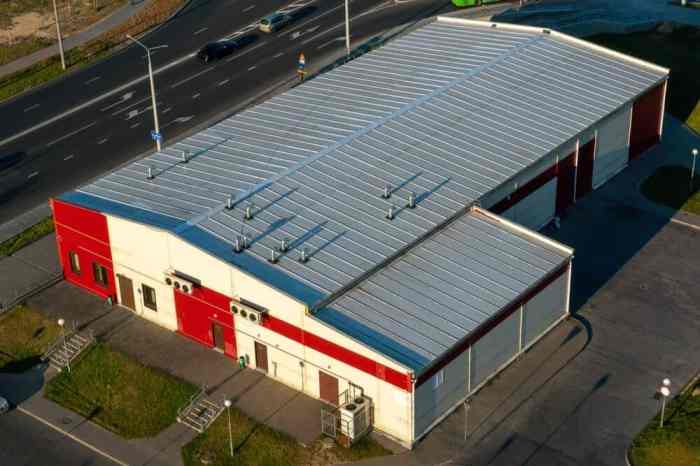
Proper installation and regular maintenance are crucial for ensuring the longevity and performance of warehouse roofing systems. Below, we will discuss the steps involved in installation, provide tips for maintenance, and address common issues that may arise.
Installation Process
- 1. Site Inspection: Before installation, a thorough inspection of the site should be conducted to identify any existing issues or structural concerns.
- 2. Roof Preparation: The existing roof should be cleaned and repaired as needed to provide a smooth and stable surface for the new roofing system.
- 3. Material Selection: Choose the appropriate roofing material based on factors such as climate, budget, and durability.
- 4. Installation: The roofing system should be installed according to manufacturer guidelines and industry standards to ensure proper performance.
- 5. Quality Check: After installation, a quality check should be conducted to verify that the roofing system is correctly installed and free of defects.
Maintenance Tips
- 1. Regular Inspections: Conduct routine inspections to identify any signs of damage or wear and tear.
- 2. Cleaning: Keep the roof clean by removing debris and preventing the buildup of dirt and leaves that can cause damage.
- 3. Repairs: Promptly address any minor issues such as leaks or loose shingles to prevent larger problems from developing.
- 4. Professional Maintenance: Schedule regular maintenance checks by roofing professionals to ensure the roof is in good condition.
Common Issues and Solutions
- 1. Leaks: Leaks can occur due to damaged flashing or poor installation. These should be addressed promptly to prevent water damage.
- 2. Ponding Water: Standing water on the roof can lead to structural damage and leaks. Proper drainage systems should be in place to prevent ponding.
- 3. Roof Punctures: Punctures from falling debris or foot traffic can compromise the integrity of the roof. Regular inspections and repairs can help prevent this issue.
- 4. UV Damage: Over time, exposure to UV rays can degrade roofing materials. Consider UV-resistant coatings or materials to prolong the life of the roof.
Cost Considerations
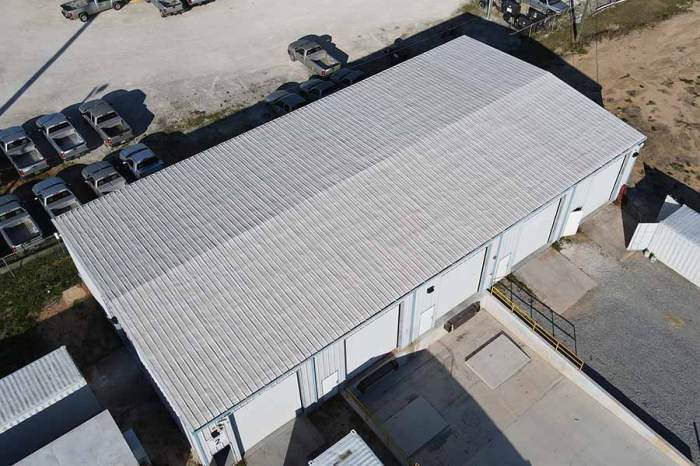
When it comes to roofing systems for warehouses, cost is a significant factor to consider. The cost of materials and installation can vary depending on the type of roofing system chosen. It is essential to break down these cost components and compare the long-term cost implications to make an informed decision.
Cost Components of Different Roofing Systems
- Materials: The cost of materials can vary greatly depending on the type of roofing system chosen. For example, metal roofing may be more expensive upfront but can be more cost-effective in the long run due to its durability.
- Installation: The cost of installation includes labor costs, equipment rental, and any additional services required. Some roofing systems may be more complex to install, leading to higher installation costs.
Long-Term Cost Implications
- Choosing a roofing system with a higher upfront cost but lower maintenance costs can result in long-term savings. For example, investing in a high-quality roofing material that requires minimal maintenance can reduce the need for costly repairs in the future.
- Considering the energy efficiency of different roofing systems can also impact long-term costs. Energy-efficient roofing materials can help reduce heating and cooling costs, saving money on utility bills over time.
Cost-Effective Maintenance Strategies
- Regular inspections and maintenance can help identify and address any issues before they escalate into costly repairs. Implementing a preventive maintenance plan can extend the lifespan of the roofing system and reduce overall maintenance costs.
- Investing in quality materials and professional installation from the beginning can help prevent premature wear and damage, reducing the need for frequent repairs and replacements.
Closing Summary
In conclusion, roofing systems for warehouses play a crucial role in ensuring the longevity and functionality of industrial buildings. By understanding the different aspects involved, you can make informed decisions to protect your warehouse investment for years to come.
Essential FAQs
What are the key factors to consider when selecting a roofing system for warehouses?
Factors to consider include durability, weather resistance, insulation, and drainage systems.
How can green roofs be incorporated into warehouse roofing systems?
Green roofs can be integrated by planting vegetation on the roof surface to enhance insulation and environmental benefits.
What are some common issues that may arise with warehouse roofing systems?
Common issues include leaks, punctures, and poor drainage, which can be addressed through regular maintenance.