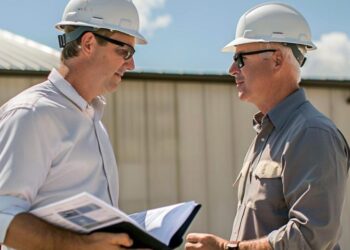

Commercial roof installation contractors play a crucial role in ensuring the success of any roofing project. From expertly handling installation to providing valuable insights, these professionals are key players in the construction industry. In this guide, we will delve into the world of commercial roof installation contractors, exploring their importance, qualities to look for, the installation process, safety measures, and more.
Importance of Commercial Roof Installation Contractors
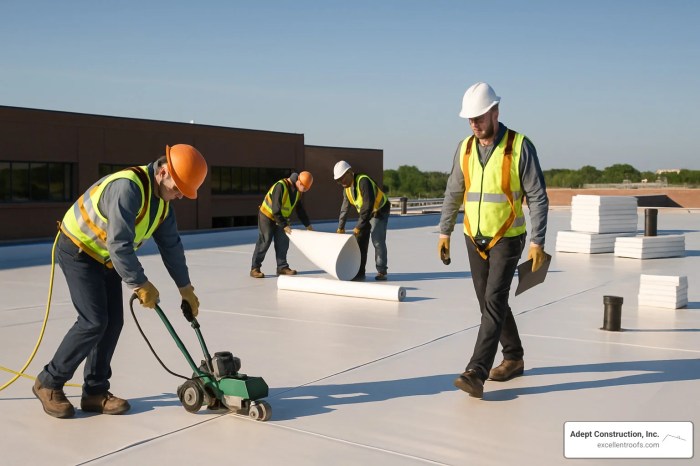
Commercial roof installation contractors play a crucial role in ensuring the success of any roofing project. Their expertise, experience, and specialized knowledge are essential in achieving a high-quality and long-lasting roof for commercial buildings.
Benefits of Hiring Professional Contractors
- Professionalism: Commercial roof installation contractors follow industry standards and best practices to ensure a job well done.
- Quality Materials: Contractors have access to high-quality roofing materials that are essential for durability and longevity.
- Efficiency: Experienced contractors work efficiently to complete the installation within the scheduled timeframe, minimizing disruptions to your business operations.
- Safety: Contractors are trained in safety protocols and ensure that the installation process is carried out without any accidents or injuries.
Avoiding Common Installation Issues
- Proper Installation Techniques: Experienced contractors have the skills and knowledge to install commercial roofs correctly, avoiding issues like leaks, poor insulation, or structural damage.
- Identifying Potential Problems: Contractors can identify potential issues before they become major problems, saving you time and money in the long run.
- Compliance with Regulations: Professional contractors are well-versed in building codes and regulations, ensuring that your commercial roof installation meets all the necessary requirements.
Qualities to Look for in Commercial Roof Installation Contractors
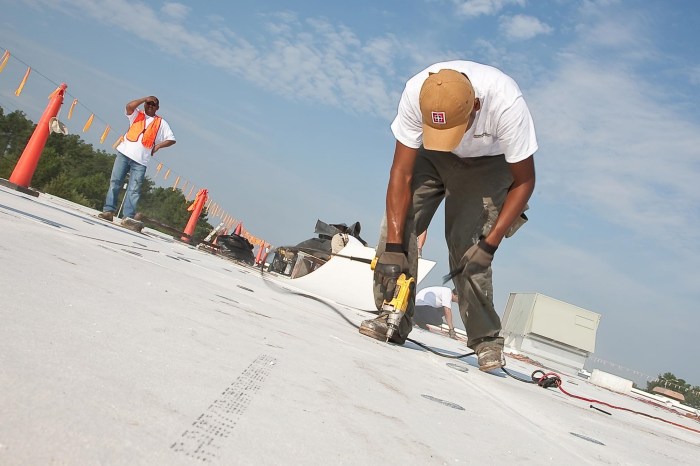
When choosing a commercial roof installation contractor, it is crucial to consider certain key qualities that can impact the success of your roofing project. From certifications to warranties, these factors play a significant role in determining the reliability and professionalism of a contractor.
Certifications and Experience
Certifications and experience are essential qualities to look for in a commercial roof installation contractor. A reputable contractor should have the necessary certifications and training to handle commercial roofing projects effectively. Additionally, experience in the field ensures that the contractor has the knowledge and skills needed to tackle any challenges that may arise during the installation process.
Insurance and Licensing
Insurance and licensing are non-negotiable qualities when selecting a commercial roof installation contractor. Proper insurance coverage protects you from liability in case of accidents or damages during the project. Licensing ensures that the contractor meets the required standards and follows industry regulations, giving you peace of mind knowing that your project is in capable hands.
Warranties and Confidence in Work
The warranties offered by commercial roof installation contractors reflect their confidence in the quality of their work. A contractor who stands behind their work with a solid warranty demonstrates their commitment to customer satisfaction and the durability of the roofing system.
It is important to choose a contractor who offers comprehensive warranties to protect your investment for years to come.
Commercial Roof Installation Process
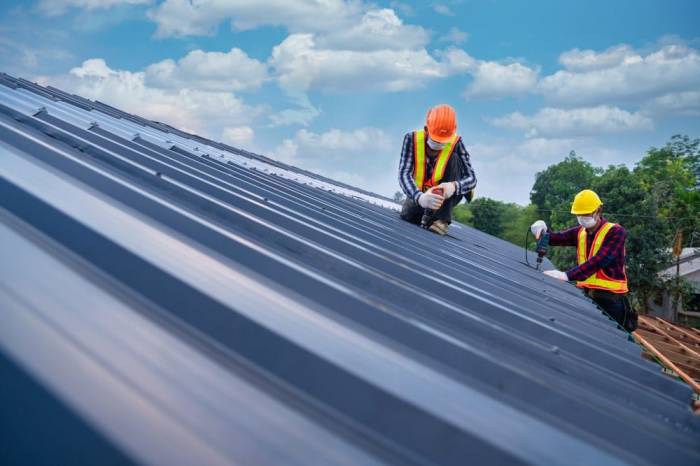
When it comes to commercial roof installations, there are several key steps involved in the process. From initial assessment to final inspection, each step plays a crucial role in ensuring a successful outcome for your commercial building.
Materials Used for Commercial Roofing
- Single-ply membranes: such as EPDM, TPO, and PVC are popular choices due to their durability and ease of installation.
- Metal roofing: offers longevity and strength, making it a great option for commercial buildings.
- Built-up roofing (BUR): consists of multiple layers of bitumen and reinforcing fabrics for added protection.
- Modified bitumen: combines the benefits of asphalt-based and single-ply roofing systems for enhanced performance.
Roofing Techniques Used by Contractors
- Spray Polyurethane Foam (SPF): provides seamless insulation and waterproofing, ideal for flat or low-slope roofs.
- Rooftop gardens: offer environmental benefits and energy savings, while also extending the lifespan of the roof.
- Solar roofing: integrates solar panels into the roof surface to harness renewable energy and reduce electricity costs.
- Green roofing: utilizes vegetation to improve air quality, reduce stormwater runoff, and enhance insulation.
Safety Measures and Regulations in Commercial Roof Installations
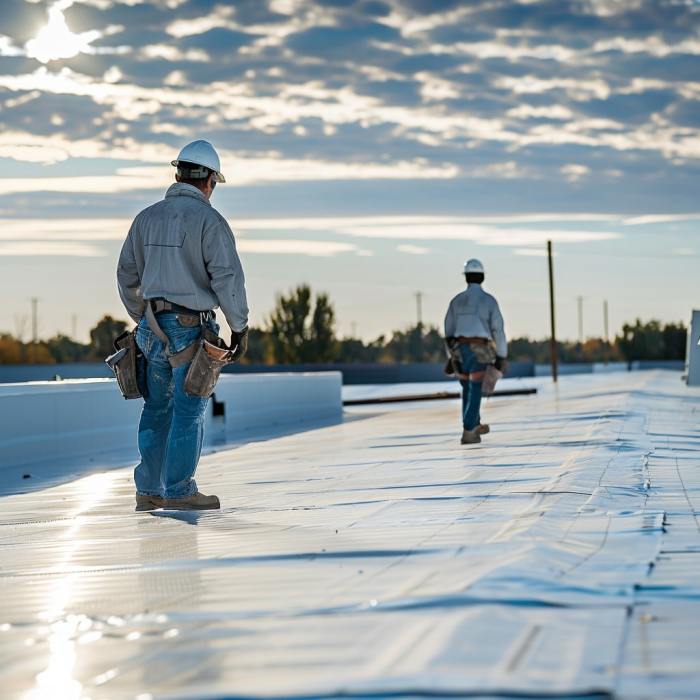
When it comes to commercial roof installations, safety should always be a top priority. Reputable contractors follow strict safety protocols to ensure the well-being of their workers and to maintain compliance with regulations.
Importance of Adhering to Building Codes and Regulations
Adhering to building codes and regulations during commercial roof installations is crucial to guarantee the structural integrity of the building and the safety of its occupants. Failure to comply can result in fines, legal issues, and even accidents.
- Contractors should always obtain the necessary permits before starting any work on a commercial roof. This ensures that the installation meets all local regulations and safety standards.
- Regular inspections by regulatory authorities help identify any potential safety hazards or code violations that need to be addressed promptly.
- Following manufacturer guidelines for materials and installation techniques is essential to ensure the roof's longevity and performance.
Examples of Safety Equipment and Practices
Implementing proper safety equipment and practices on-site is key to preventing accidents and injuries during commercial roof installations.
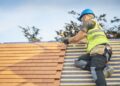
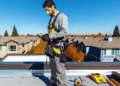
- Roofing contractors should provide their workers with personal protective equipment (PPE) such as hard hats, gloves, safety glasses, and fall protection gear.
- Using guardrails, safety nets, and harness systems can help prevent falls from heights, which is a common risk in commercial roofing projects.
- Regular safety training sessions for employees ensure that they are aware of potential hazards and know how to mitigate risks effectively.
Closure
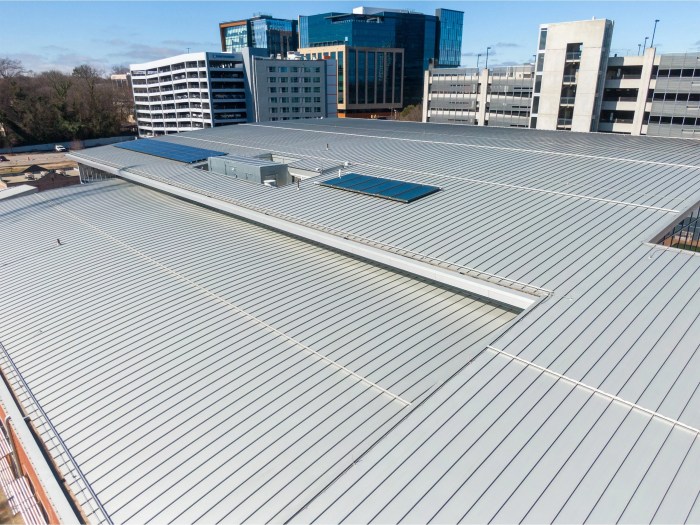
As we wrap up our discussion on commercial roof installation contractors, it becomes evident that their expertise and attention to detail are indispensable for achieving durable and long-lasting roofing solutions. By understanding their role, qualities, and safety measures, you can confidently choose the right contractor for your commercial roofing needs.
FAQs
What certifications should I look for in commercial roof installation contractors?
Look for certifications from reputable organizations such as the National Roofing Contractors Association (NRCA) to ensure quality workmanship.
Why is insurance important when selecting commercial roof installation contractors?
Insurance protects you from liability in case of accidents or damages during the project, giving you peace of mind.
What are the typical steps involved in commercial roof installations?
The steps usually include assessment, planning, material selection, installation, and inspection to ensure quality control.
How do different roofing techniques vary for various commercial buildings?
Roofing techniques vary based on building size, structure, and environmental factors, with contractors selecting the most suitable method for each project.
What safety equipment should contractors implement on-site?
Contractors should use harnesses, helmets, safety nets, and guardrails to ensure the well-being of workers during roof installations.