
Diving into the realm of commercial roofing financing options, this introduction presents a comprehensive look at the various ways businesses can fund their roofing projects. From traditional methods to alternative solutions, the landscape of financing options is vast and crucial for successful project completion.
Detailing the importance of financial flexibility in the commercial roofing industry, this overview sets the stage for a deep dive into the world of financing options available to businesses.
Overview of Commercial Roofing Financing Options
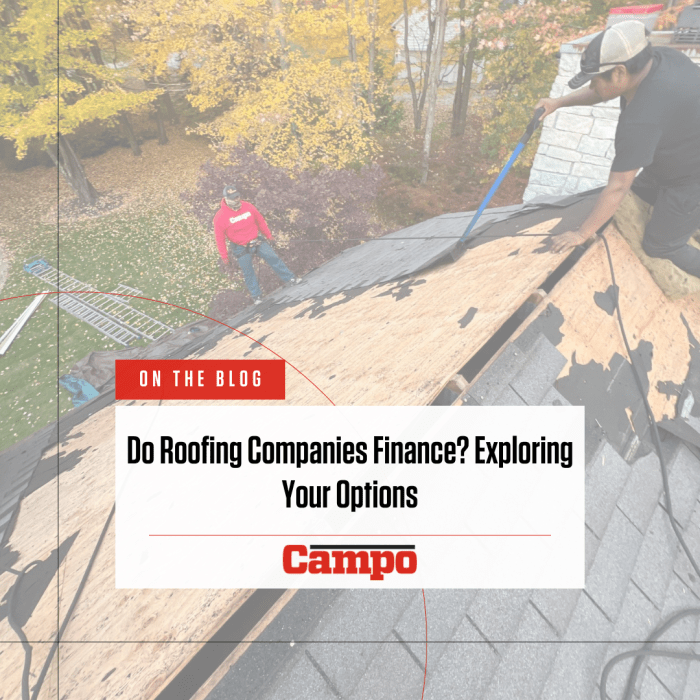
When it comes to commercial roofing projects, having access to financing options is crucial. These options provide businesses with the flexibility to invest in the maintenance or replacement of their roofs without having to bear the entire cost upfront.
Common Types of Financing Available
- Bank Loans: Traditional bank loans are a common option for financing commercial roofing projects. They offer competitive interest rates and flexible repayment terms, but they may require a good credit score and collateral.
- Equipment Financing: This type of financing allows businesses to borrow money specifically for purchasing roofing equipment. It typically involves fixed monthly payments over a set period of time.
- Roofing Manufacturer Financing: Some roofing manufacturers offer financing options to customers who purchase their products. These programs may come with special promotions or discounts.
Benefits and Drawbacks of Different Financing Options
Each financing option comes with its own set of benefits and drawbacks that businesses should consider before making a decision.
- Bank Loans:
- Benefits: Competitive interest rates, flexible repayment terms.
- Drawbacks: Good credit score and collateral may be required.
- Equipment Financing:
- Benefits: Specific financing for roofing equipment, fixed monthly payments.
- Drawbacks: Limited to equipment purchases only.
- Roofing Manufacturer Financing:
- Benefits: Special promotions or discounts, convenient financing through the manufacturer.
- Drawbacks: Limited to specific manufacturer's products, may have higher interest rates.
Traditional Financing Methods
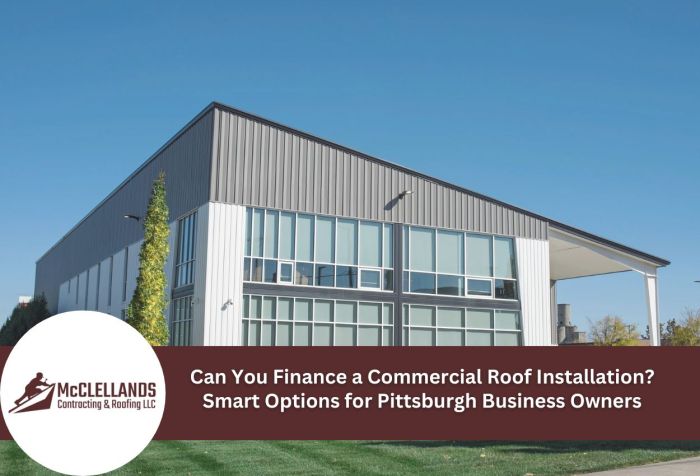
When it comes to funding commercial roofing projects, traditional financing methods such as bank loans and lines of credit are commonly utilized. These options provide businesses with the necessary capital to invest in high-quality roofing solutions.
Bank Loans
Bank loans are a popular choice for financing commercial roofing projects. Businesses can apply for a loan from a bank based on their creditworthiness and financial history. The interest rates for bank loans can vary depending on the lender and the current market conditions.
The terms of the loan, including the repayment schedule and collateral requirements, are typically Artikeld in a formal agreement between the business and the bank.
Lines of Credit
Another traditional financing method is a line of credit, which provides businesses with access to a predetermined amount of funds that can be used as needed. Unlike a traditional loan, businesses only pay interest on the amount of money they borrow from the line of credit.
This flexibility makes lines of credit a convenient option for commercial roofing projects with varying costs over time.
Successful Commercial Roofing Projects
Many successful commercial roofing projects have been funded through traditional financing methods. For example, a large retail chain was able to replace the roofs of multiple locations across the country by securing a bank loan with favorable terms. Additionally, a manufacturing facility upgraded its roofing system using a line of credit to cover the costs of materials and installation.
Alternative Financing Solutions
When traditional financing methods may not be suitable for commercial roofing projects, alternative financing solutions such as equipment leasing or vendor financing can offer businesses more flexibility and tailored options to meet their financial needs.
Equipment Leasing
Equipment leasing allows businesses to rent necessary roofing equipment rather than purchasing it outright. This can help conserve capital and improve cash flow, making it an attractive option for businesses looking to minimize upfront costs.
Vendor Financing
Vendor financing involves the roofing materials supplier or contractor providing financing options to the business for the project. This can streamline the process by bundling the cost of materials and installation into one package, making it easier for businesses to manage their expenses.
Case Studies
- Company XYZ opted for equipment leasing for their roofing project, allowing them to access state-of-the-art equipment without a significant upfront investment. This enabled them to complete the project on time and within budget.
- Business ABC utilized vendor financing for their commercial roofing needs, benefiting from a seamless process that combined materials and installation costs. This allowed them to focus on their core operations while ensuring a quality roofing solution.
Government Programs and Incentives
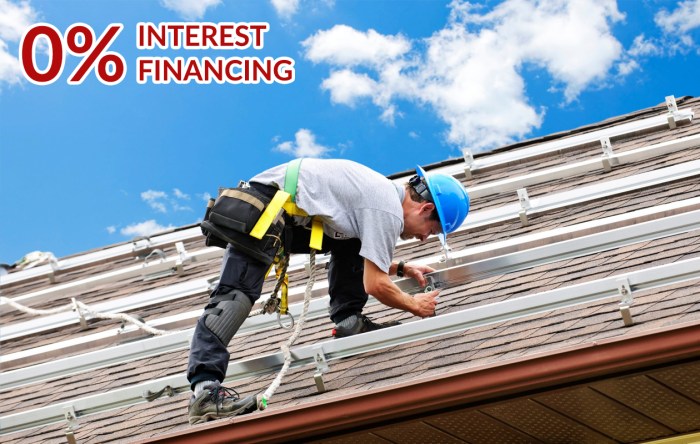
Government programs and incentives play a crucial role in supporting commercial roofing projects by providing financial assistance and incentives to businesses. These programs aim to encourage the adoption of energy-efficient and sustainable roofing solutions, ultimately benefiting both businesses and the environment.
Government Programs for Commercial Roofing
- One example of a government program is the Commercial Property Assessed Clean Energy (C-PACE) financing program. C-PACE offers long-term financing for energy-efficient upgrades, including roofing projects, with repayment tied to the property rather than the business owner.
- Another government program is the Business Energy Investment Tax Credit (ITC), which provides a tax credit for businesses investing in renewable energy systems, including solar panels integrated into roofing systems.
Eligibility Criteria and Application Processes
- Eligibility criteria for government programs may vary, but typically involve factors such as the type of roofing project, energy efficiency goals, and business size.
- Business owners can usually apply for these programs through designated government agencies or authorized lenders. The application process may require documentation of the project details, business information, and compliance with program requirements.
Examples of Businesses Leveraging Government Programs
- A commercial office building in City XYZ utilized the C-PACE financing program to fund a roof replacement with energy-efficient materials, reducing long-term energy costs and enhancing the property value.
- A manufacturing facility in Town ABC took advantage of the Business Energy ITC to install a solar-powered roofing system, offsetting energy expenses and contributing to sustainability goals.
End of Discussion

In conclusion, understanding the diverse array of financing options for commercial roofing projects is essential for businesses looking to embark on successful ventures. By weighing the benefits and drawbacks of each method, companies can make informed decisions that drive their projects towards completion and success.
FAQ Guide
What are the common types of traditional financing for commercial roofing projects?
Traditional financing options for commercial roofing projects typically include bank loans, lines of credit, and SBA loans. These methods offer businesses the capital needed to fund their roofing projects with structured repayment plans and varying interest rates.
How can businesses benefit from alternative financing solutions for roofing projects?
Alternative financing solutions like equipment leasing or vendor financing provide businesses with flexibility in payment terms, lower initial costs, and potential tax benefits. These options cater to companies with diverse financial needs, offering tailored solutions for their roofing projects.
Are there any government programs or incentives available for commercial roofing financing?
Yes, there are government programs and incentives designed to support commercial roofing projects. Businesses can leverage programs like energy-efficient financing initiatives or tax credits to offset project costs and promote sustainable roofing practices.