
Diving into the world of standing seam metal roofing cost, this introduction aims to captivate readers with a comprehensive look at the factors influencing pricing, materials used, and installation costs.
Providing valuable insights into the realm of standing seam metal roofing, this overview sets the stage for a detailed exploration of cost-related considerations in the roofing industry.
Introduction to Standing Seam Metal Roofing Cost
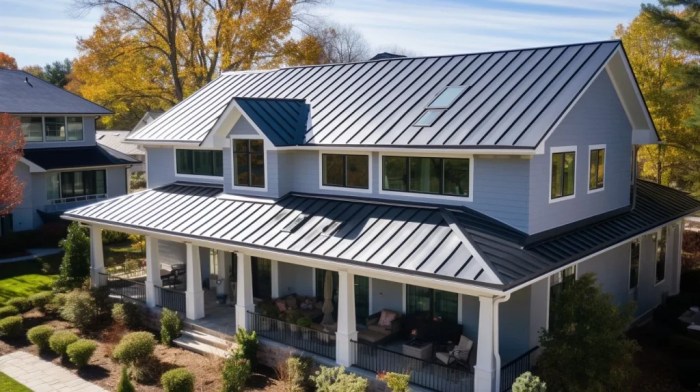
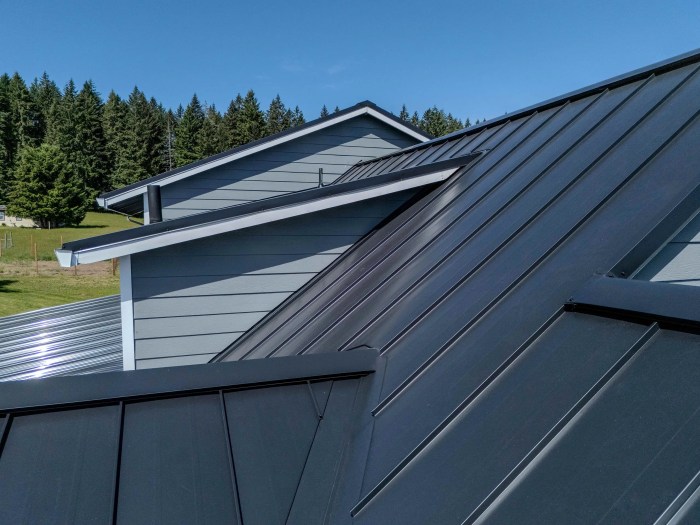
Standing seam metal roofing is a type of roofing system characterized by raised seams that interlock to create a watertight seal. This durable and long-lasting roofing option is popular for its sleek appearance and ability to withstand harsh weather conditions.
When choosing roofing materials, it is crucial to consider the cost implications. The cost of standing seam metal roofing can vary significantly depending on various factors that need to be taken into account.
Factors Influencing the Cost of Standing Seam Metal Roofing
- Material Quality: The quality of the metal used for the roofing panels will affect the overall cost. Higher quality materials tend to be more expensive but offer better durability and longevity.
- Roof Size: The size of the roof area to be covered plays a significant role in determining the cost of the standing seam metal roofing. Larger roofs will require more materials, labor, and time, resulting in higher costs.
- Roof Complexity: The complexity of the roof's design, including angles, slopes, and architectural details, can impact the installation process and, consequently, the overall cost.
- Location: The geographical location of the property can influence the cost of materials and labor. Areas with higher living costs or where materials need to be transported over long distances may incur additional expenses.
- Contractor Expertise: The skill and experience of the roofing contractor you choose will also affect the cost. Highly skilled contractors may charge more for their services, but their expertise can ensure a quality installation that minimizes the risk of future issues.
Cost Factors of Standing Seam Metal Roofing
When it comes to the cost of standing seam metal roofing, several factors play a significant role in determining the overall expenses. Understanding these cost factors can help homeowners make informed decisions when considering this type of roofing option.Roof Size:The size of your roof is a crucial factor that directly impacts the cost of installing a standing seam metal roof.
Larger roofs will require more materials and labor, resulting in higher overall costs. Additionally, complex roof designs or shapes can also increase the cost of installation due to the additional time and expertise required to complete the project.Roof Pitch:The pitch or slope of your roof can also influence the cost of installing standing seam metal roofing.
Roof pitches that are steeper or more complex may require special equipment or safety measures, which can add to the overall installation costs. Moreover, roofs with a steep pitch may be more challenging to work on, leading to higher labor costs.Overall, the size and pitch of your roof are key factors that contribute to the total cost of installing a standing seam metal roof.
By considering these factors, homeowners can better understand the expenses involved and budget accordingly for this durable and long-lasting roofing option.
Materials and Pricing
Metal roofs are typically made from aluminum, steel, zinc, or copper. Each material has its own unique characteristics that impact the overall cost and durability of the roof. Aluminum is lightweight and resistant to corrosion, making it a popular choice for standing seam roofs.
Steel is extremely durable and can be coated to prevent rust, while zinc and copper offer a more upscale and luxurious look.
Metal Types and Durability
- Aluminum: Aluminum roofs are lightweight, corrosion-resistant, and cost-effective. They are a great option for homeowners looking for a low-maintenance and durable roofing solution.
- Steel: Steel roofs are known for their strength and durability. They can be coated with protective finishes to prevent rust and corrosion, making them a long-lasting choice for standing seam roofs.
- Zinc: Zinc roofs are known for their natural patina that develops over time, giving them a unique and elegant appearance. They are also highly durable and can last for decades with proper maintenance.
- Copper: Copper roofs are prized for their beauty and longevity. They are a high-end option that adds a touch of sophistication to any home. While copper roofs are more expensive upfront, they can last for over 100 years with minimal maintenance.
Material Thickness and Cost Influence
The thickness of the metal used for standing seam roofing can significantly impact the overall cost of the project. Thicker metal panels are more durable and can provide better insulation, but they also come with a higher price tag. Homeowners should consider their budget and the climate of their area when choosing the right thickness for their metal roof.
Thicker panels may cost more upfront, but they can save money in the long run by reducing energy costs and minimizing the need for repairs or replacements.
Installation Costs
When it comes to installing standing seam metal roofing, there are several factors that contribute to the overall cost. One of the major components of installation costs is the labor involved in the process.
Labor Costs
Installing standing seam metal roofing requires skilled labor to ensure that the panels are properly aligned and secured. Labor costs can vary depending on the size of the roof, the complexity of the design, and the experience of the roofing crew.
- Roof Complexity: The more complex the roof design, the more labor-intensive the installation process will be. This can result in higher labor costs.
- Design Impact: Certain design elements, such as dormers, valleys, and skylights, can add complexity to the installation process and increase labor costs.
- Experience of Crew: A highly experienced roofing crew may charge more for their services, but their expertise can result in a quicker and more efficient installation process.
Additional Costs
In addition to labor costs, there are other expenses to consider when installing standing seam metal roofing. These additional costs can include underlayment, fasteners, and trim pieces that are necessary to complete the installation.
- Underlayment: The underlayment serves as a protective barrier between the metal panels and the roof deck. It helps to prevent water infiltration and can add to the overall cost of the installation.
- Fasteners: Fasteners are used to secure the metal panels to the roof deck. The type and quality of fasteners can impact the longevity and durability of the roof, as well as the cost of installation.
- Trim: Trim pieces are used to finish the edges and corners of the roof, creating a clean and polished look. The cost of trim pieces will depend on the material and design chosen.
Cost Comparison with Other Roofing Materials
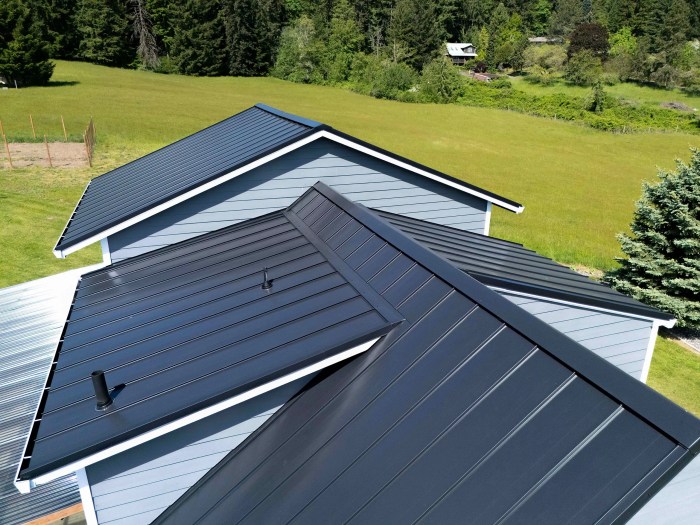
When considering the cost of standing seam metal roofing, it's important to compare it with other popular roofing materials such as asphalt shingles, tiles, and others. Understanding the long-term cost benefits and maintenance requirements can help you make an informed decision for your roofing needs.
Comparison with Asphalt Shingles
Asphalt shingles are a common choice for roofing due to their initial lower cost compared to metal roofing. However, metal roofing has a longer lifespan and requires less maintenance, making it a cost-effective option in the long run. While asphalt shingles may need replacement every 15-30 years, metal roofing can last 50 years or more with proper care.
Comparison with Tiles
Tile roofing is known for its durability and aesthetic appeal, but it comes with a higher initial cost than standing seam metal roofing. Metal roofing offers similar durability and energy efficiency while being more cost-effective in terms of installation and long-term maintenance.
Additionally, metal roofing is lighter in weight, reducing strain on the structure of your home.
Long-Term Cost Benefits
One of the key advantages of standing seam metal roofing is its long-term cost benefits. While the initial cost may be higher than some traditional roofing materials, the durability and longevity of metal roofing can result in significant savings over time.
With minimal maintenance requirements and energy efficiency, metal roofing can offer a cost-effective solution for homeowners.
Maintenance Costs
Compared to other roofing materials, standing seam metal roofing typically requires less maintenance. Metal roofs are resistant to mold, mildew, and pests, reducing the need for frequent repairs. Additionally, metal roofing is more durable in extreme weather conditions, decreasing the likelihood of damage and maintenance costs associated with repairs.
Overall, the lower maintenance requirements of metal roofing can result in savings in the long run.
Last Point
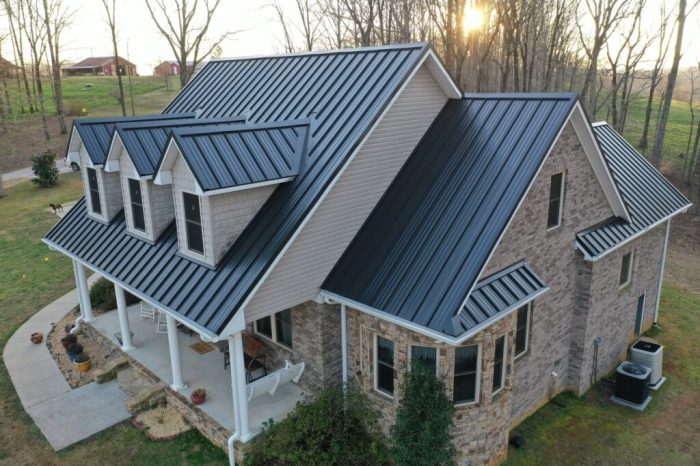
In conclusion, the discussion surrounding standing seam metal roofing cost sheds light on the various elements that contribute to pricing, offering readers a deeper understanding of this durable and efficient roofing option.
Top FAQs
What factors influence the cost of standing seam metal roofing?
The cost of standing seam metal roofing can be influenced by factors such as material quality, roof size, complexity of installation, and additional components like underlayment and trim.
How does the cost of standing seam metal roofing compare to other roofing materials?
Standing seam metal roofing tends to have a higher upfront cost compared to asphalt shingles or tiles, but its long-term durability and low maintenance requirements can result in cost savings over time.
What types of metal are commonly used for standing seam roofing?
Common metals used for standing seam roofing include steel, aluminum, and copper, each offering different price points and durability levels.